Introduction
As the demand for sustainable and high-performance packaging solutions increases, the use of multilayer structures in PCR (Post-Consumer Recycled) materials is gaining momentum. At Maiwei, a leading Blowing Machine Manufacturer, we are at the forefront of exploring and implementing multilayer technology for PCR materials. This article delves into the feasibility and challenges of multilayer structures in PCR applications, highlighting how advanced blowing machines can help overcome technical hurdles and support a circular economy.
Understanding Multilayer Structures in PCR Materials
Multilayer packaging involves combining different materials or polymers in distinct layers, each contributing specific properties such as barrier performance, mechanical strength, or processability. When incorporating PCR materials, these layers may include recycled content sandwiched between virgin or functional layers to maintain performance while promoting sustainability.
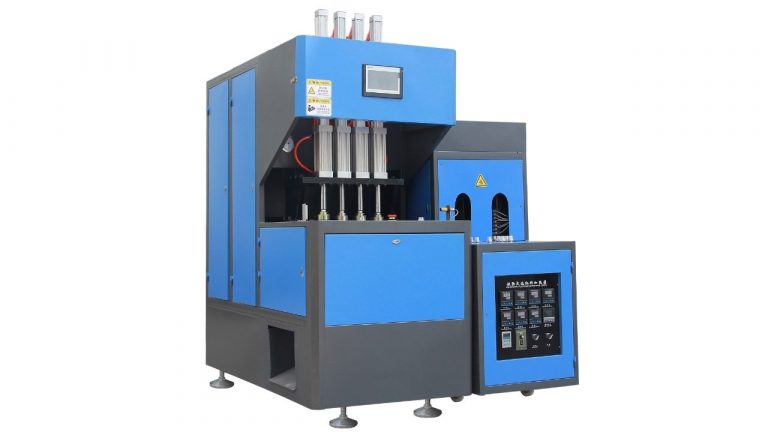
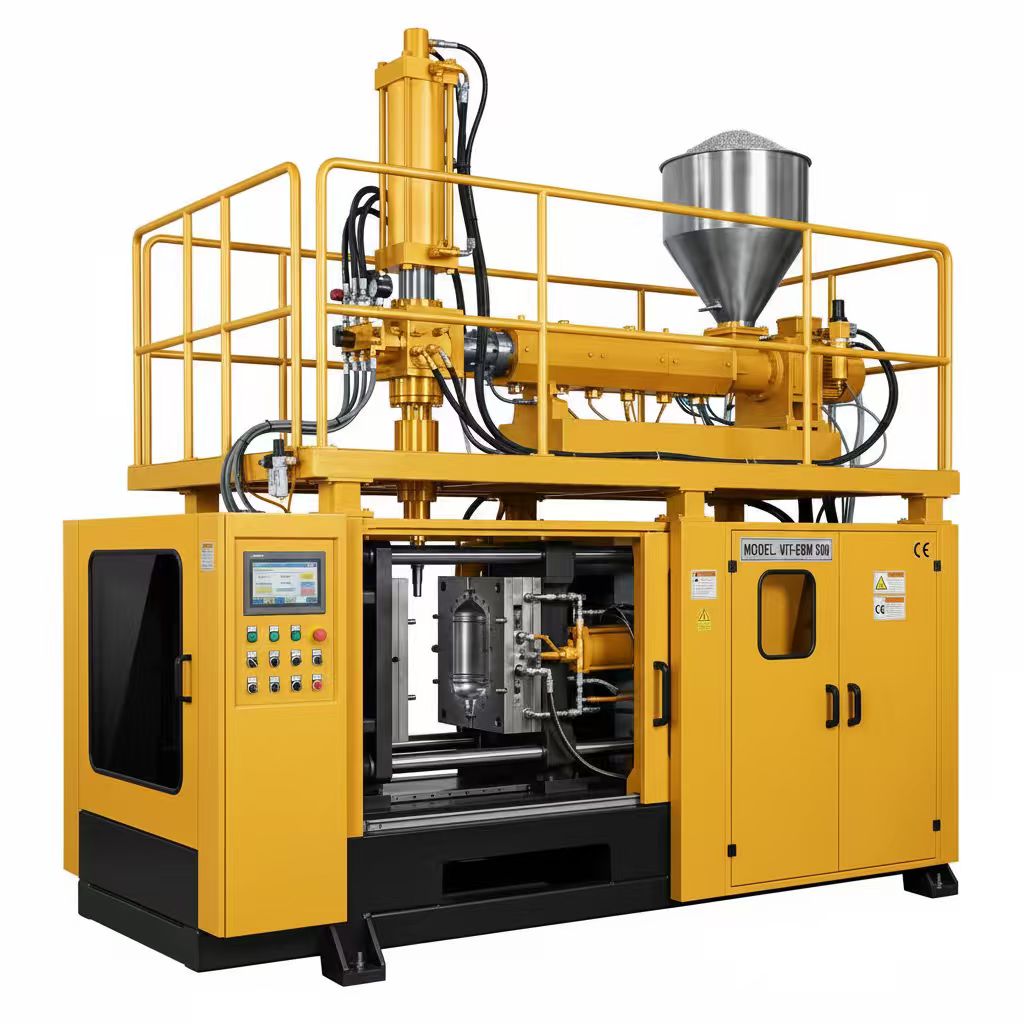
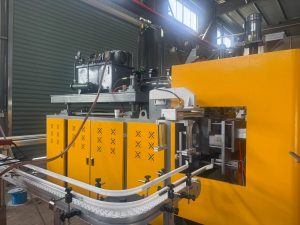
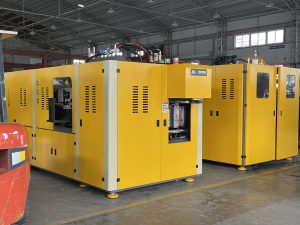
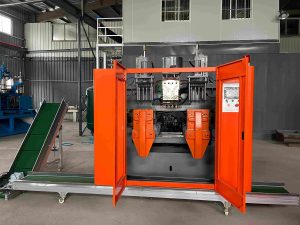
bottle blowing machine
automatic blowing machine
pet bottle making machine
plastic blowing machine
bottle molding machine
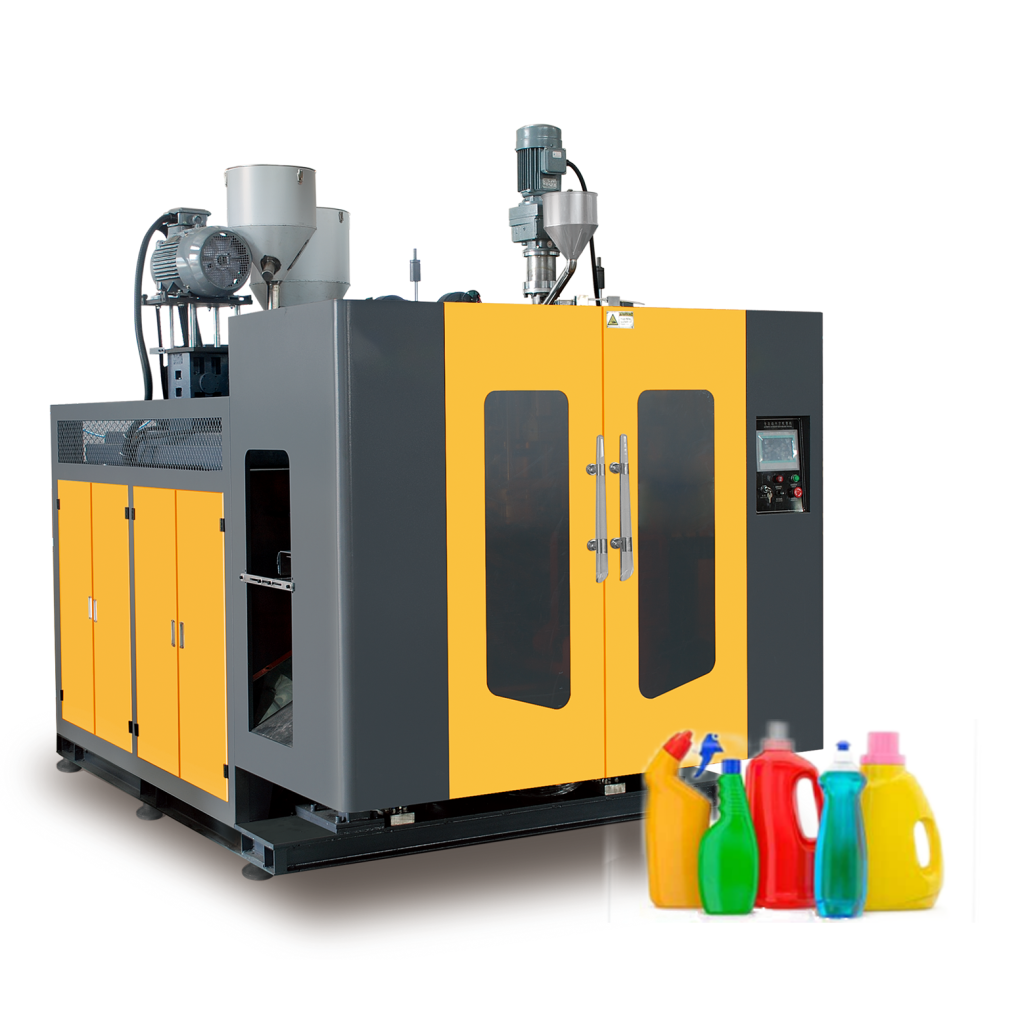
The use of multilayer technology in PCR applications is particularly relevant for industries such as food packaging, personal care, and household products, where both performance and sustainability are crucial. Blowing Machine Manufacturer expertise is essential for developing equipment capable of producing such complex structures efficiently.
Key Benefits of Multilayer PCR Structures
- Enhanced Barrier Properties: Multilayer structures can provide superior oxygen, moisture, and aroma barriers, extending product shelf life.
- Cost Optimization: By using PCR in the core layer, manufacturers can reduce costs while maintaining the high-quality surface finish of virgin materials.
- Improved Sustainability: Incorporating PCR reduces reliance on virgin plastics and supports circular economy initiatives.
- Design Flexibility: Different layers can be tailored for specific functional needs, such as printability or sealability.
Feasibility of Multilayer PCR Materials
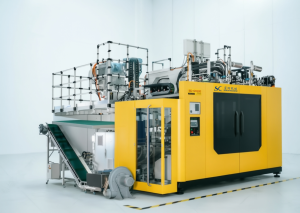
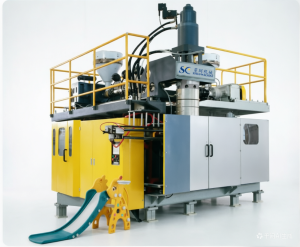
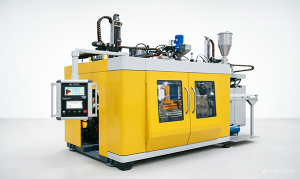
The feasibility of using multilayer structures with PCR content largely depends on material compatibility, processing technology, and end-use requirements. Maiwei has invested extensively in R&D to optimize blowing machine technology for multilayer applications. Our machines are designed to handle a wide range of polymers, including those with high PCR content, enabling manufacturers to achieve desired performance and sustainability goals.
Recent advancements in extrusion and co-extrusion technologies have made it possible to process recycled materials with greater consistency. With precise temperature and flow control, our blowing machines can produce multilayer films and bottles with uniform thickness and excellent interlayer adhesion.
Material Selection and Layer Configuration
Selecting the right combination of materials is crucial for multilayer PCR structures. Typically, the structure might include:
- Outer Layer: Virgin or high-quality polymer for aesthetics and printability
- Core Layer: High PCR content for sustainability
- Inner Layer: Virgin polymer for food contact or functional performance
This configuration allows manufacturers to maximize PCR usage without compromising on product safety or appearance.
Case Study: Multilayer PCR Bottles
A recent project at Maiwei involved developing a three-layer bottle structure for a leading beverage brand. The core layer utilized 70% PCR, while the inner and outer layers were made from food-grade virgin PET. The result was a bottle that met all regulatory requirements, maintained clarity, and significantly reduced virgin plastic usage.
Challenges in Multilayer PCR Applications
Despite the clear benefits, several challenges must be addressed to fully realize the potential of multilayer PCR materials.
1. Material Compatibility and Adhesion
PCR materials often have different melt characteristics and may contain impurities, making it difficult to achieve strong interlayer adhesion. Incompatibility between layers can lead to delamination, poor mechanical properties, or processing issues.
Maiwei addresses this challenge by integrating advanced tie-layer resins and compatibilizers in our extrusion processes. Our blowing machines also allow for precise control over layer thickness and temperature, improving overall adhesion.
2. Quality Consistency of PCR Feedstock
The quality of PCR materials can vary significantly depending on the source, collection, and cleaning process. Contaminants or inconsistent melt flows can affect the final product’s appearance and performance.
To mitigate this, Maiwei recommends rigorous pre-processing of PCR feedstock, including sorting, washing, and melt filtration. Our machines are equipped with sensors and monitoring systems to detect and compensate for variations in material quality during production.
3. Regulatory and Safety Compliance
For applications involving food contact or sensitive products, strict regulations govern the use of recycled content. Ensuring that only approved materials are used in the inner layers is essential.
Our multilayer blowing machines offer the flexibility to segregate food-contact layers from PCR content, ensuring compliance with FDA, EFSA, and other international standards.
4. Economic Considerations
While multilayer structures can optimize costs by using PCR in non-critical layers, the initial investment in advanced blowing machines and material development can be significant. However, the long-term benefits of reduced material costs, improved sustainability, and enhanced brand reputation often outweigh the upfront expenses.
Role of Blowing Machine Manufacturers in Advancing Multilayer PCR Technology
As a specialized Blowing Machine Manufacturer, Maiwei is committed to driving innovation in multilayer PCR technology. Our research and engineering teams work closely with material suppliers, brand owners, and recyclers to develop solutions that address both technical and market challenges.
Key features of our multilayer blowing machines include:
- Multi-extrusion heads for flexible layer configurations
- Precision temperature and flow control
- Automated quality monitoring and defect detection
- Energy-efficient operation for reduced carbon footprint
Collaborative Innovation
We believe that the future of sustainable packaging lies in collaboration. By partnering with stakeholders throughout the value chain, Maiwei is helping to set new standards for PCR integration in multilayer packaging.
Conclusion
The feasibility of multilayer structures in PCR materials is no longer a distant goal but a growing reality, thanks to advances in material science and blowing machine technology. While challenges remain—such as material compatibility, feedstock quality, and regulatory compliance—innovative solutions from companies like Maiwei are paving the way for broader adoption.
As a trusted Blowing Machine Manufacturer, Maiwei is dedicated to supporting customers in their journey toward sustainable, high-performance packaging. By harnessing the power of multilayer PCR structures, manufacturers can achieve both environmental and economic success, contributing to a more circular and responsible future.
| Aspect | Multilayer PCR Structures | Challenges |
|---|---|---|
| Material Selection | Customizable layers for performance and sustainability | Compatibility and adhesion between layers |
| Processing | Advanced co-extrusion and blowing technology | Quality consistency of PCR feedstock |
| Compliance | Segregation of food-contact and recycled layers | Regulatory approval and safety |
| Cost | Reduced virgin resin use, long-term savings | Initial investment in equipment and development |
For more information or to discuss your multilayer PCR project, contact Maiwei—your partner in sustainable packaging innovation.