Introduction to 3D Blow Molding and PCR Materials
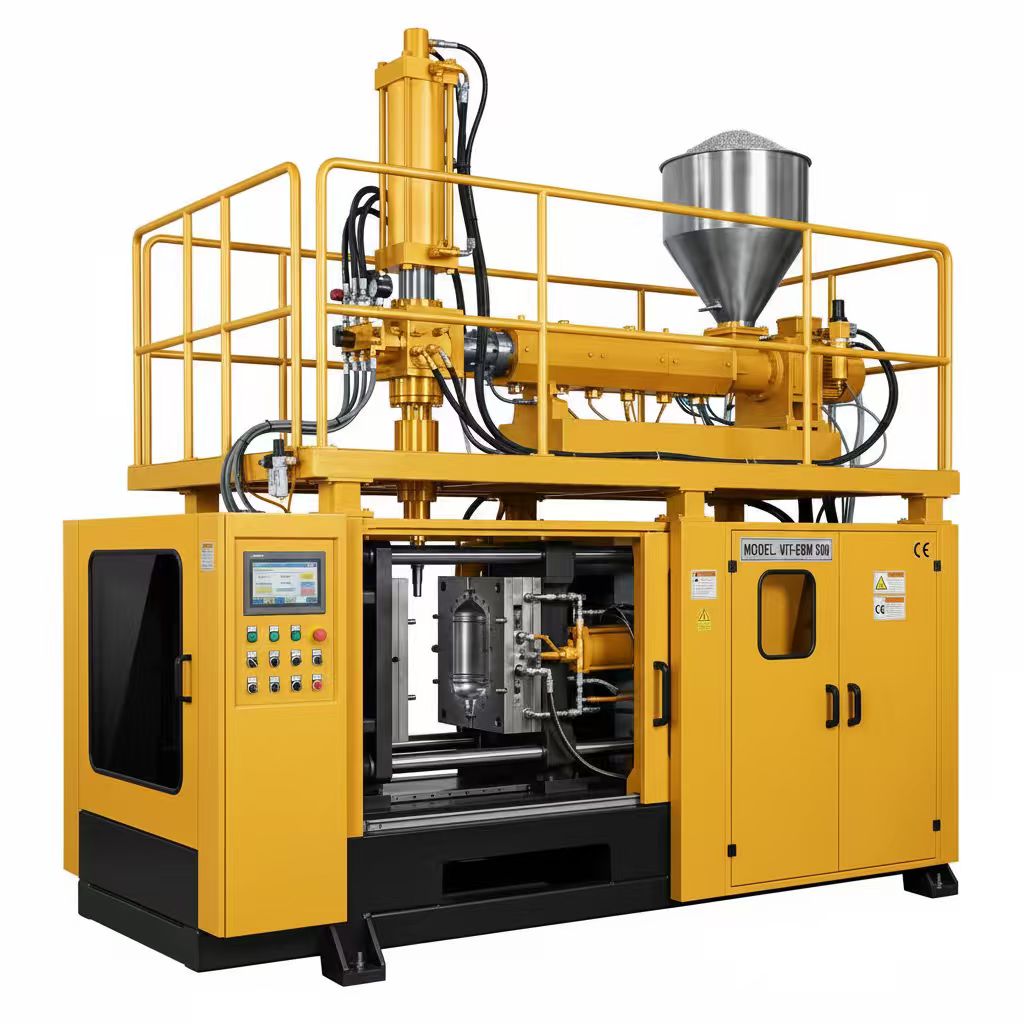
The plastics manufacturing industry is currently undergoing a significant transformation, driven by the global push towards sustainability and circular economy principles. At the heart of this innovation lies the use of PCR (Post-Consumer Recycled) materials, which are reshaping how companies approach both production and environmental responsibility. As a leading Blowing Machine Manufacturer, Maiwei is committed to exploring and advancing the possibilities of 3D blow molding with PCR materials, ensuring that our clients stay ahead in the rapidly evolving landscape of sustainable packaging.
Understanding 3D Blow Molding
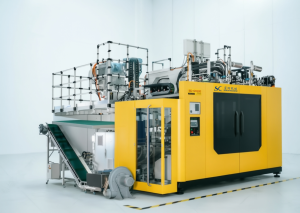
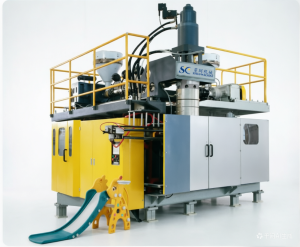
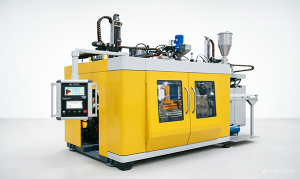
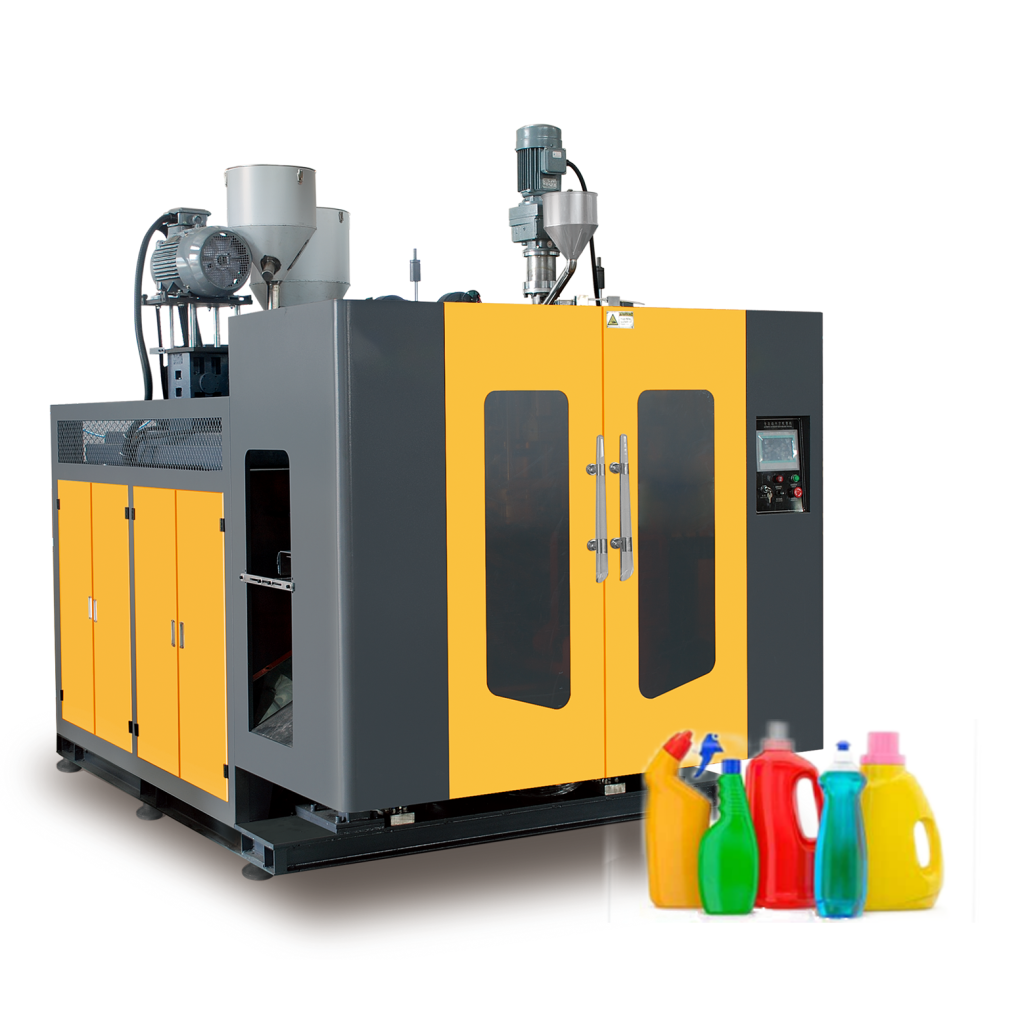
3D blow molding is an advanced manufacturing process that enables the production of complex, hollow plastic parts with intricate geometries. Unlike traditional blow molding, 3D blow molding uses programmable parison manipulation, robotic handling, and precision controls to create parts that were previously impossible or uneconomical to produce. This process is particularly advantageous for industries requiring custom-shaped containers, automotive ducts, and technical parts.
What Are PCR Materials?
PCR materials, or Post-Consumer Recycled plastics, are derived from products that have been used and discarded by consumers, collected, cleaned, and reprocessed for manufacturing. The utilization of PCR in blow molding is gaining traction due to growing environmental regulations and consumer demands for sustainable packaging solutions. However, processing PCR materials introduces unique challenges, especially in advanced techniques like 3D blow molding.
Maiwei’s Role as a Blowing Machine Manufacturer
Maiwei has established itself as a trusted name in the design and manufacture of high-performance blowing machines. Our commitment to research and development allows us to integrate cutting-edge technologies and adapt our machines to work efficiently with new material types, including PCR. By addressing the specific requirements of 3D blow molding for PCR materials, Maiwei helps customers achieve both high-quality production and sustainability goals.
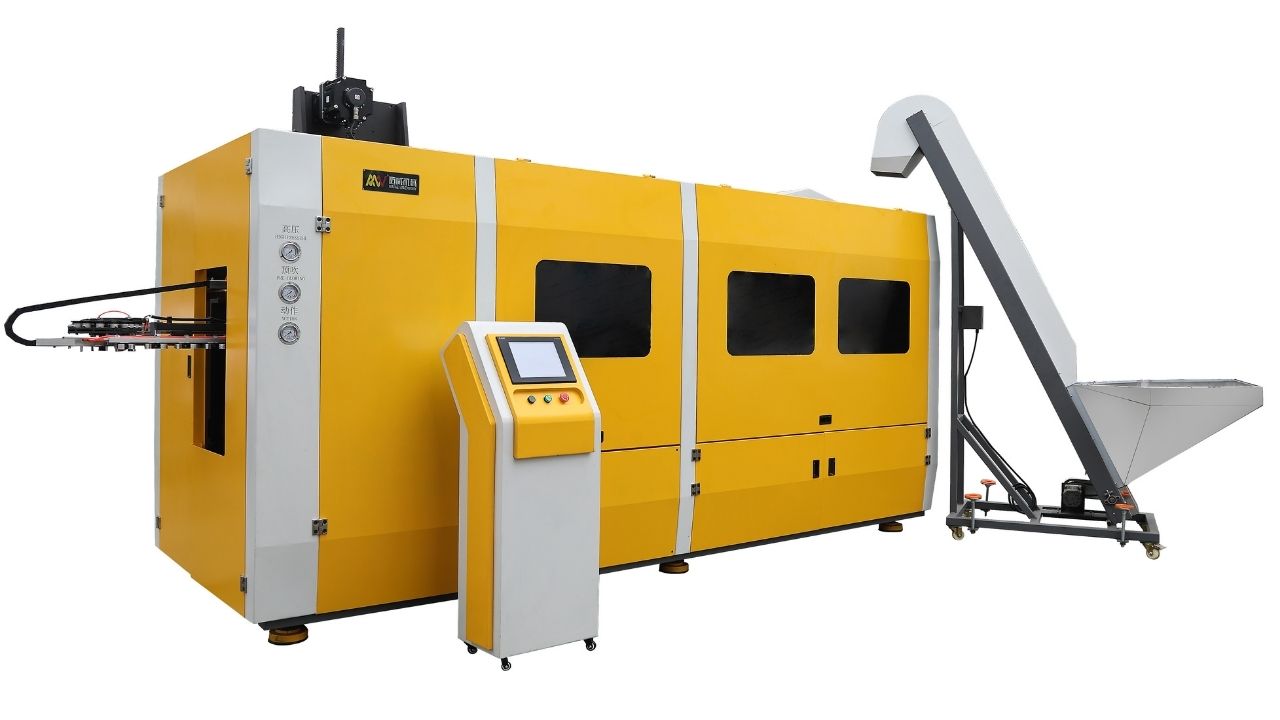
pet blow moulding machine
pet bottle making machine
water bottle manufacturing machine
plastic bottle making machine
plastic bottle manufacturing machine
bottle manufacturing machine
stretch blow moulding
Technical Challenges with PCR in 3D Blow Molding
- Material Consistency: PCR plastics often exhibit greater variability in melt flow, contamination, and color compared to virgin materials, impacting process stability.
- Mechanical Properties: The recycled content may reduce the strength and durability of molded parts, which is critical in demanding applications.
- Process Adaptation: 3D blow molding requires precise temperature and pressure controls. PCR’s unpredictable behavior can complicate these parameters.
- Quality Control: Ensuring consistent wall thickness, surface finish, and structural integrity becomes more challenging with PCR.
Feasibility Study: Key Findings
Maiwei’s engineering team conducted an extensive feasibility study to assess the integration of PCR materials in 3D blow molding applications. This study encompassed machine modifications, process optimization, and end-product testing.
Machine Adaptations
To accommodate the characteristics of PCR, Maiwei modified its blowing machine extruders with enhanced filtration systems and specialized screw designs. These adaptations help to minimize contamination and improve melt uniformity, which are essential for reliable 3D blow molding. Additionally, our machines feature advanced PLC controls that allow real-time monitoring and adjustment of process parameters, compensating for the variability of recycled materials.
Process Optimization
The process window for 3D blow molding with PCR is narrower than with virgin plastics. Maiwei’s team developed optimized heating profiles and parison control strategies to ensure consistent material distribution and part integrity. By employing infrared sensors and closed-loop feedback, our machines can dynamically adjust to fluctuations in PCR melt properties, ensuring a stable and repeatable process.
Product Quality and Performance
Testing of 3D blow-molded parts using PCR materials revealed that, with the right machine settings and material preparation, it is possible to achieve mechanical properties and surface finishes comparable to those of virgin materials. However, the percentage of PCR in the blend plays a crucial role: higher PCR content may require additional process controls and quality assurance protocols.
Benefits of 3D Blow Molding with PCR Materials
- Sustainability: Reduces reliance on virgin plastic, lowers carbon footprint, and supports circular economy initiatives.
- Cost Efficiency: PCR materials can be more cost-effective, depending on market availability and local recycling infrastructure.
- Market Differentiation: Brands using PCR in their packaging can appeal to eco-conscious consumers and meet regulatory requirements.
- Design Flexibility: 3D blow molding allows for innovative shapes and features, even with recycled materials.
Case Study: Maiwei’s Success in 3D Blow Molding with PCR
A leading beverage company partnered with Maiwei to transition their bottle production to 50% PCR content using 3D blow molding. After initial trials, Maiwei’s engineers fine-tuned the machine settings and implemented a multi-stage filtration system. The result: bottles with excellent clarity, strength, and a reduced environmental impact, demonstrating the commercial viability of this approach.
Industry Trends: 3D Blow Molding and PCR Materials
As regulations tighten and consumer awareness grows, the use of PCR materials in blow molding is expected to expand rapidly. Maiwei is at the forefront of this movement, continuously upgrading our blowing machine technology to handle higher PCR loads, improve energy efficiency, and enable smart manufacturing. This positions our clients to not only comply with environmental standards but also to lead in sustainable innovation.
Keywords in Focus: Sustainability and Circular Economy
The integration of PCR materials in 3D blow molding is a prime example of advancing sustainability in plastics manufacturing. By closing the loop on plastic use and re-use, companies contribute directly to the circular economy, reducing waste and conserving resources. Maiwei’s solutions empower manufacturers to embrace these principles without compromising on quality or productivity.
Conclusion: The Future of 3D Blow Molding with PCR
Maiwei’s feasibility study confirms that 3D blow molding with PCR materials is not only possible but also advantageous for companies aiming to balance performance with environmental responsibility. With the right technology, process controls, and expertise, manufacturers can produce high-quality, innovative products while advancing their sustainability agendas. As a leading Blowing Machine Manufacturer, Maiwei will continue to drive progress in this field, supporting clients on their journey towards a greener future.
| Aspect | Virgin Material | PCR Material |
|---|---|---|
| Material Consistency | High | Variable |
| Process Stability | Stable | Requires Optimization |
| Environmental Impact | Higher | Lower |
| Cost | Market Dependent | Potentially Lower |
For more information on how Maiwei can help you integrate PCR materials into your 3D blow molding operations, contact our team today!