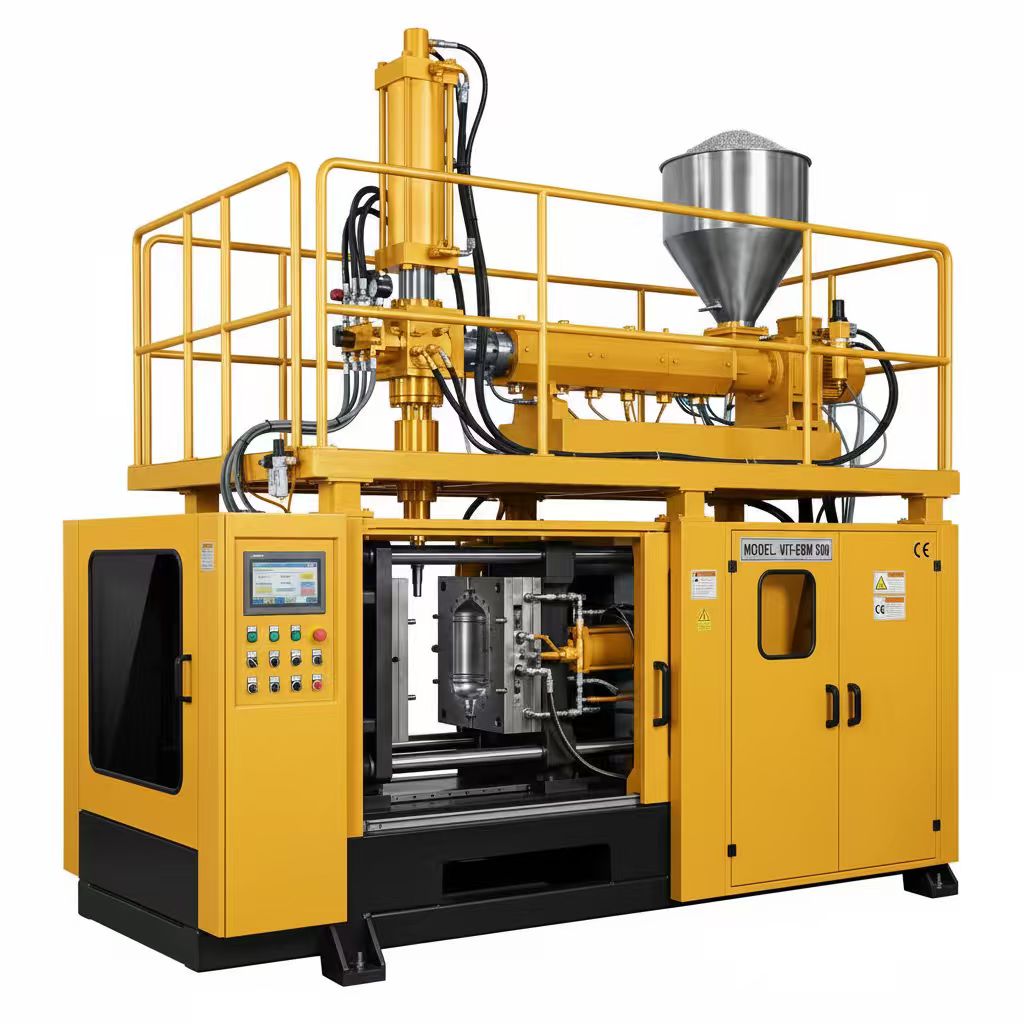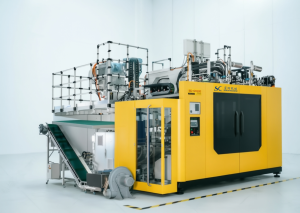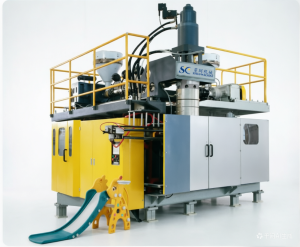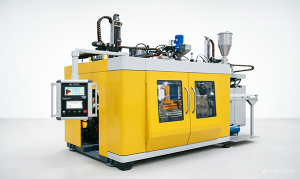
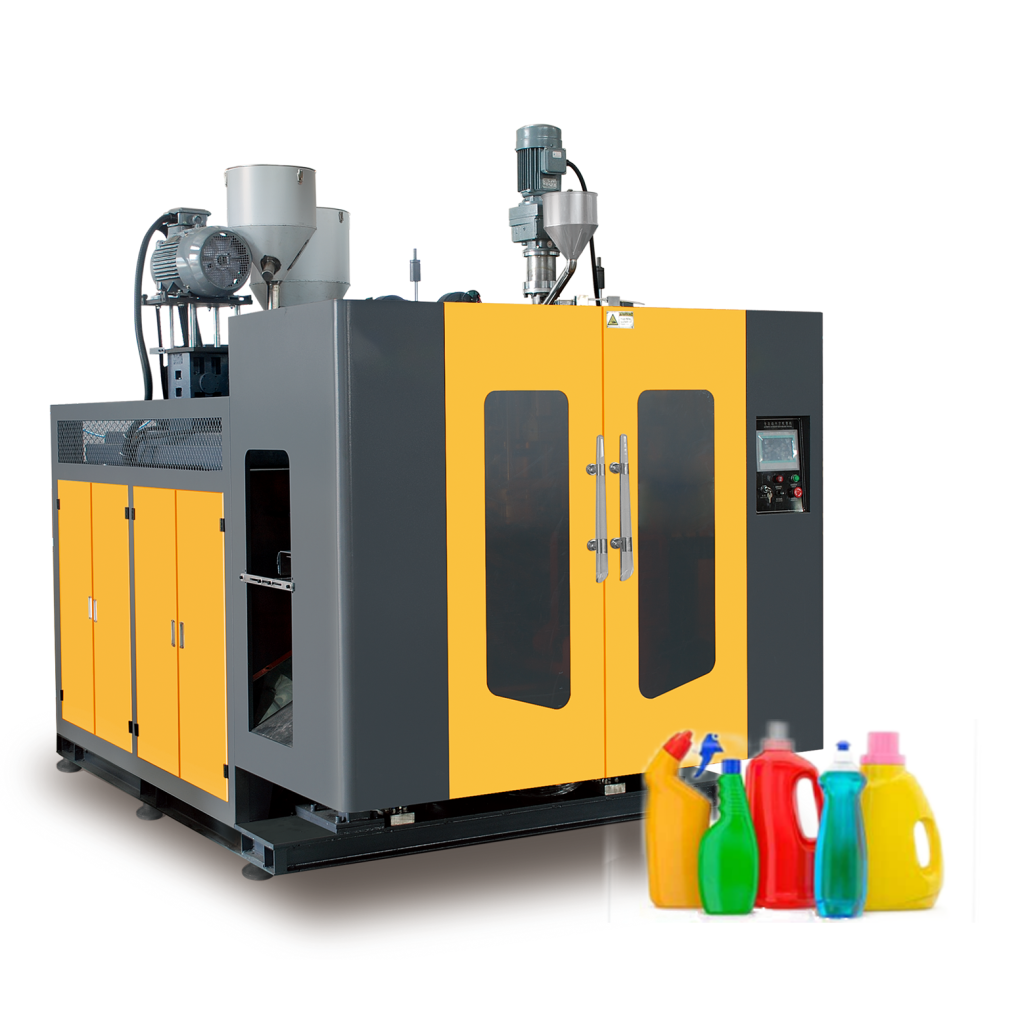
As a leading Blowing Machine Manufacturer, Maiwei is committed to helping our partners maximize the performance and longevity of their bottle production equipment. One critical, yet often overlooked, component in the Bottle Making Machine process is the dip blow mandrel. Proper cleaning and maintenance of these mandrels are essential for ensuring consistent product quality, reducing downtime, and extending the life of your investment. In this article, we’ll explore the best practices for cleaning dip blow mandrels, drawing on our expertise as industry innovators.
Understanding the Role of Dip Blow Mandrels
Dip blow mandrels are integral to the bottle blow molding machine process. These precision-engineered components are responsible for shaping and supporting the preform during the blowing phase. Any contamination or residue on the mandrel’s surface can lead to defects in the final bottle, such as blemishes, weak spots, or improper shaping. Therefore, maintaining the cleanliness of mandrels directly correlates to the quality and reliability of your bottle production.
Why Mandrel Cleanliness Matters
- Product Quality: Residue or buildup on mandrels can transfer to bottles, causing visual or structural defects.
- Operational Efficiency: Clean mandrels reduce the risk of jams or malfunctions, ensuring smoother production runs.
- Equipment Longevity: Regular cleaning prevents corrosion and wear, extending the lifespan of your Bottle Making Machine.
- Compliance: Clean equipment helps meet stringent hygiene and safety standards, especially in food and beverage applications.
Best Practices for Cleaning Dip Blow Mandrels
At Maiwei, we recommend a systematic approach to mandrel cleaning, based on years of experience in the bottle blow molding machine industry. Below are our expert guidelines:
1. Establish a Regular Cleaning Schedule
Consistency is key. Develop a cleaning schedule based on production volume, material type, and environmental factors. High-output facilities or those working with sticky resins may require more frequent cleaning. Document the schedule and ensure all operators are trained to follow it.
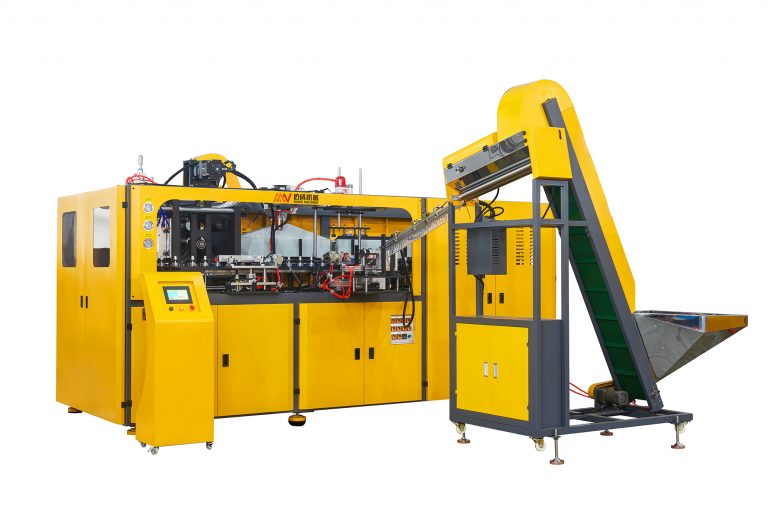
2. Choose the Right Cleaning Agents
Select cleaning agents that are compatible with the mandrel material (usually stainless steel or aluminum). Avoid harsh chemicals that can cause pitting or corrosion. For most applications, a mild, non-abrasive detergent or specialized industrial cleaner is sufficient.
- Check the manufacturer’s guidelines for recommended solvents.
- Avoid chlorine-based cleaners for stainless steel mandrels.
3. Use Appropriate Cleaning Tools
To prevent scratching or damaging the mandrel surface, use soft-bristled brushes, lint-free cloths, or non-metallic scrapers. For hard-to-reach areas, compressed air or ultrasonic cleaners can be effective.
- Inspect brushes and cloths for debris before use to avoid introducing new contaminants.
- Replace cleaning tools regularly to maintain effectiveness.
4. Follow a Step-by-Step Cleaning Procedure
A standardized cleaning process ensures thoroughness and repeatability. Here’s a recommended workflow:
| Step | Action |
|---|---|
| 1 | Remove mandrel from the Bottle Making Machine following safety protocols. |
| 2 | Rinse with warm water to remove loose debris. |
| 3 | Apply cleaning solution and gently scrub all surfaces. |
| 4 | Rinse thoroughly to remove all cleaning agent residues. |
| 5 | Dry completely with a lint-free cloth or compressed air. |
| 6 | Inspect for any remaining residue or damage before reinstalling. |
5. Inspect and Maintain Mandrels After Cleaning
Cleaning is also an opportunity for inspection. Look for signs of wear, corrosion, dents, or cracks. Early detection of damage allows for timely repairs or replacements, preventing costly downtime.
- Record inspection findings in a maintenance log.
- Report and address any issues before returning mandrels to service.
Advanced Cleaning Techniques
For facilities with high throughput or strict hygiene requirements, advanced cleaning methods may be warranted. These include:
- Ultrasonic Cleaning: Uses high-frequency sound waves to dislodge contaminants from hard-to-reach crevices.
- Automated Cleaning Systems: Integrated systems can clean multiple mandrels simultaneously, improving efficiency and consistency.
- Steam Cleaning: Effective for removing stubborn grease or resin without chemicals.
Consult with your Maiwei representative to determine if these options are suitable for your specific bottle blow molding machine setup.
Case Study: Improving Productivity Through Mandrel Maintenance
One of our clients, a major beverage producer, experienced frequent defects in their PET bottles. After implementing a standardized mandrel cleaning protocol, defect rates dropped by 30%, and machine uptime increased by 15%. This underscores the direct impact of mandrel care on overall production efficiency.
Integration with Bottle Making Machine Maintenance
Mandrel cleaning should be integrated into your broader Bottle Making Machine maintenance strategy. Regular lubrication, alignment checks, and component inspections complement mandrel care, ensuring your bottle blow molding machine operates at peak performance.
- Schedule mandrel cleaning alongside other routine maintenance tasks.
- Train operators on the importance of holistic equipment care.
Maiwei’s Commitment to Customer Success
At Maiwei, we don’t just supply world-class blowing machines—we partner with you for long-term success. Our team offers training, technical support, and customized maintenance plans to help you get the most from your equipment. Whether you’re running a single bottle making machine or a full-scale bottle blow molding machine line, our expertise is always at your service.
Conclusion
Proper cleaning and maintenance of dip blow mandrels are vital for consistent bottle quality, operational efficiency, and equipment longevity. By following the best practices outlined above and leveraging the support of a trusted Blowing Machine Manufacturer like Maiwei, you can ensure your bottle production process remains smooth, reliable, and cost-effective.
For more information on optimizing your Bottle Making Machine or to discuss advanced solutions for your bottle blow molding machine line, contact Maiwei today. Let’s build a cleaner, more efficient future for your packaging operations!
Tags:PET Blow Machine factory,PET Bottle Machine price,Extrusion Blow Machine service,Blowing Machine manufacturer