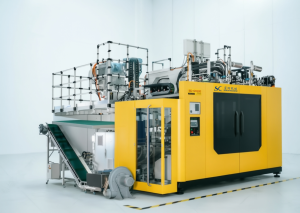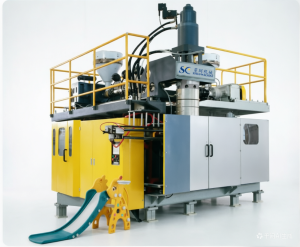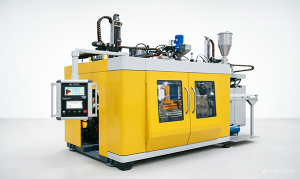
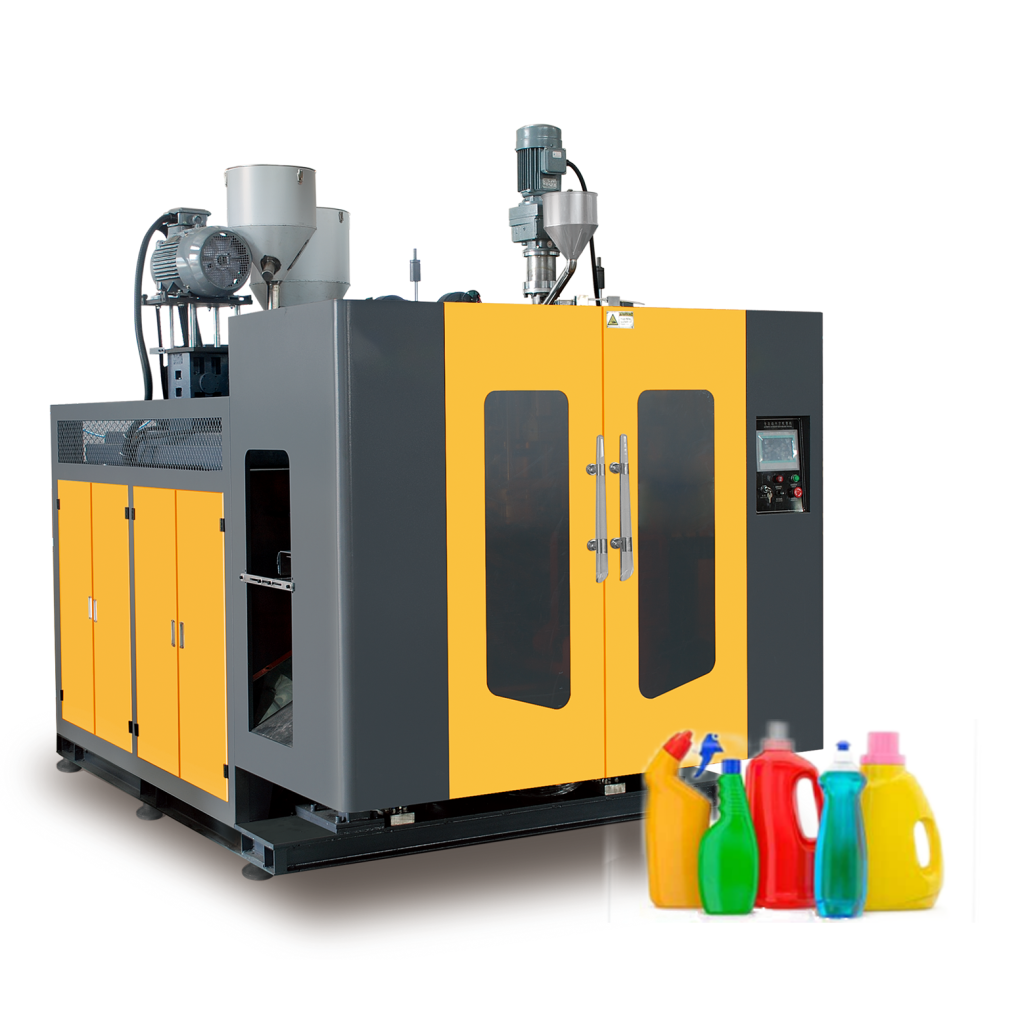
Calculating production costs accurately is crucial for any manufacturing business, especially in the plastics industry where margins can be tight and efficiency is key. As a reputable blowing machine manufacturer, Maiwei understands the intricacies of dip blow production and the variables that impact overall expenses. In this article, we’ll break down the essential steps and considerations for calculating production costs for dip blow processes, providing practical insights for manufacturers and business owners alike.
Understanding Dip Blow Production
Dip blow, often referred to as dip molding and blowing, is a specialized process used to create hollow plastic products such as bottles, containers, and custom-shaped items. The process involves dipping a mold into a polymer solution or melt and then blowing air to form the desired shape. This technique is widely used in the packaging, medical, and automotive industries.
With the rise of automation and advanced machinery, manufacturers like Maiwei have developed innovative blowing machines that enhance both efficiency and product quality. This makes the accurate calculation of production costs even more critical, as it directly affects pricing, profitability, and competitiveness.
Key Components of Dip Blow Production Costs
Calculating the total production cost involves considering several core components. Let’s break down the main elements:

- Raw Material Costs
- Labor Costs
- Machine Operation Costs
- Energy Consumption
- Maintenance and Depreciation
- Overhead and Miscellaneous Expenses
1. Raw Material Costs
Raw materials, such as polymers or resins, typically represent the largest portion of dip blow production costs. To calculate this:
- Determine the amount of material required per unit.
- Multiply by the cost per kilogram or liter.
- Add any wastage or scrap factors.
For example, if producing a 500ml bottle requires 30 grams of polymer and the cost per kilogram is $2, the material cost per bottle is (0.03 kg x $2) = $0.06.
2. Labor Costs
Labor costs include wages, benefits, and related expenses for operators, supervisors, and maintenance staff. These can be calculated as:
- Total monthly labor expenses ÷ total units produced per month = labor cost per unit
Automation, such as using a high-quality blowing machine from Maiwei, can significantly reduce labor costs by minimizing manual intervention.
3. Machine Operation Costs
Blowing machines require regular operation and involve costs such as:
- Machine rental or depreciation (if owned)
- Routine maintenance
- Consumables (lubricants, filters, etc.)
Depreciation can be calculated by dividing the purchase price of the machine by its useful life (in years or production cycles).
4. Energy Consumption
Energy is a significant factor, especially for large-scale production. Calculate the energy cost as follows:
- Determine the power rating of the machine (in kWh).
- Multiply by the total hours of operation per unit or batch.
- Multiply by the cost per kWh charged by your utility provider.
Maiwei’s energy-efficient machines are designed to minimize power consumption, helping you keep this cost under control.
5. Maintenance and Depreciation
Regular maintenance ensures optimal performance and longevity of your blowing machines. Factor in:
- Annual maintenance contracts
- Spare parts and repairs
- Scheduled downtime
Depreciation, as mentioned earlier, spreads the cost of the machine over its useful life, ensuring you account for the gradual loss in value.
6. Overhead and Miscellaneous Expenses
These include factory rent, utilities (water, air, etc.), insurance, and administrative costs. Allocate these expenses proportionally to each production batch or unit.
Step-by-Step Calculation Example
Let’s consider a practical example for a small-scale dip blow operation using a Maiwei blowing machine:
| Cost Component | Calculation | Cost per Unit ($) |
|---|---|---|
| Raw Material | 30g x $2/kg | 0.06 |
| Labor | $2000/month ÷ 40,000 units | 0.05 |
| Machine Operation | $30,000 ÷ 5 years ÷ 240,000 units/year | 0.025 |
| Energy | 0.2 kWh x $0.10/kWh | 0.02 |
| Maintenance | $5000/year ÷ 240,000 units | 0.021 |
| Overhead | $10,000/year ÷ 240,000 units | 0.042 |
| Total | 0.218 |
In this example, the total production cost per unit is approximately $0.22. Adjust your calculations based on your actual figures for each component.
Factors Affecting Dip Blow Production Costs
- Machine Efficiency: Modern machines like those from Maiwei offer higher output and lower defect rates.
- Material Quality: Higher-grade polymers may cost more but can reduce scrap and improve product consistency.
- Batch Size: Larger batches can spread fixed costs over more units, reducing per-unit costs.
- Automation Level: Investing in advanced automation reduces labor and error rates.
Optimizing Costs with Maiwei Blowing Machines
Maiwei, as a leading blowing machine manufacturer, continuously innovates to provide machines that enhance productivity and reduce operational expenses. Our machines feature energy-saving technologies, automated controls, and robust construction, ensuring long-term reliability and minimal downtime.
Additionally, Maiwei offers expert guidance on machine selection, process optimization, and maintenance planning, helping clients achieve the lowest possible production costs without compromising quality.
Related Keyword: PET Bottle Blowing Machine
If your production involves PET bottles, consider Maiwei’s specialized PET bottle blowing machine series. These machines are engineered for precision, speed, and energy efficiency, making them ideal for high-volume bottle manufacturing.
Related Keyword: Automatic Bottle Blowing Machine
For businesses seeking to maximize throughput and minimize manual labor, Maiwei’s automatic bottle blowing machine solutions offer seamless integration with upstream and downstream processes, further reducing per-unit costs and ensuring consistent product quality.
Conclusion
Accurately calculating production costs for dip blow is essential for maintaining profitability and competitiveness in today’s market. By breaking down all cost components and leveraging advanced equipment from Maiwei, manufacturers can achieve optimal efficiency and cost savings. Whether you’re producing custom containers or high-volume bottles, Maiwei’s expertise and innovative blowing machines are your partners in success.
For more information on Maiwei’s range of blowing machines or to request a cost analysis for your production line, contact our team today. Let’s build a smarter, more efficient future together!
Tags:PET Bottle Machine manufacturer,PET Bottle Machine price