Introduction
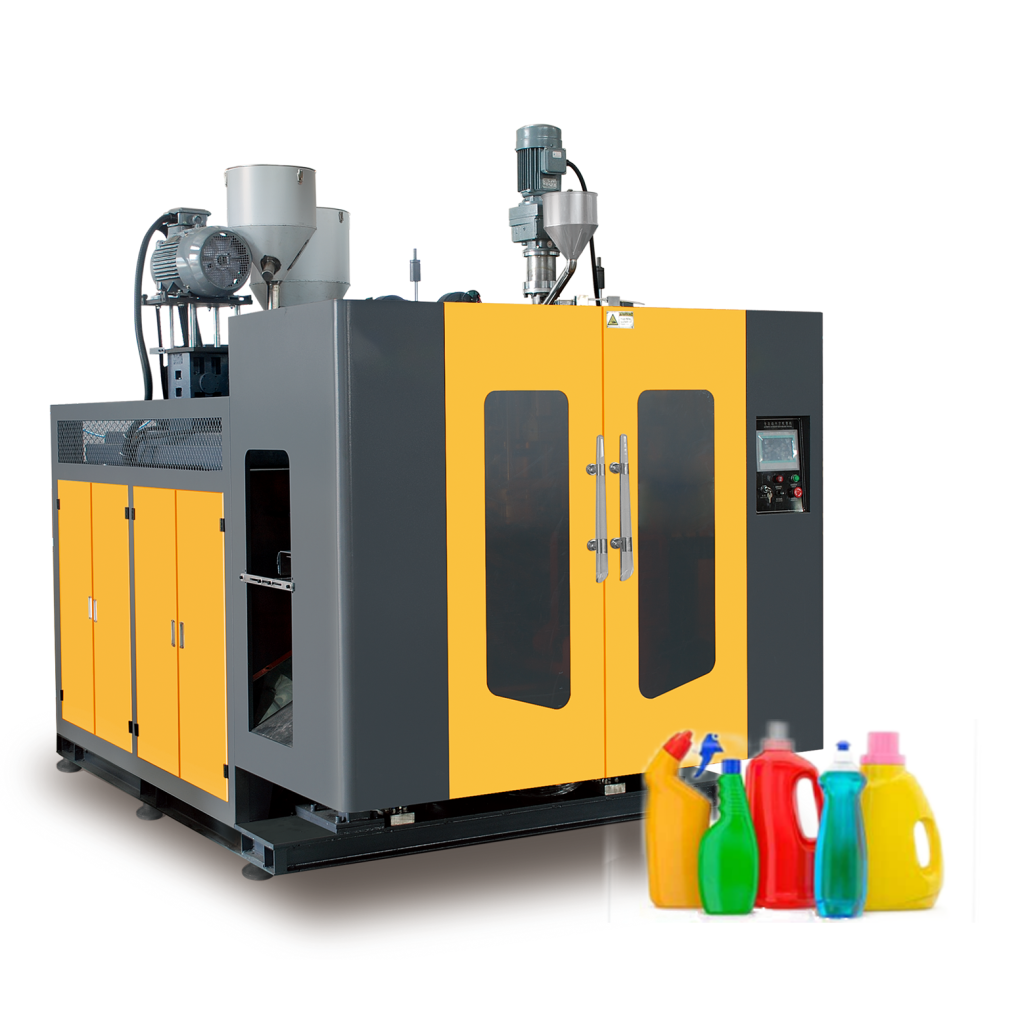
In the world of plastic manufacturing, dip blow molding stands out as a highly efficient process for producing hollow plastic parts like bottles, containers, and drums. However, one of the most common challenges faced by manufacturers is the occurrence of neck flash. At Maiwei, a renowned Blowing Machine manufacturer, we are committed to helping our clients achieve the best product quality. In this article, we will delve into the causes of neck flash, its impact on production, and, most importantly, actionable strategies to prevent it in dip blow molding.
Understanding Neck Flash in Dip Blow Molding
Neck flash refers to the excess material that forms around the neck area of a blow-molded product. It is not only unsightly but can also compromise the functionality and safety of the final product. For manufacturers aiming for high-quality output, minimizing or eliminating neck flash is essential. As a leading Blowing Machine manufacturer, Maiwei is frequently asked for solutions to this problem.
What Causes Neck Flash?
- Improper Mold Alignment: Any misalignment between the mold halves can lead to gaps, causing molten plastic to seep out and form flash.
- Excessive Blow Pressure: Too much air pressure during the blowing phase can force plastic into unwanted areas, resulting in flash.
- Incorrect Parison Size: If the parison (the tube of molten plastic) is too large or too small, it may not fit the mold cavity correctly, causing flash at the neck.
- Poor Mold Maintenance: Worn or damaged molds with uneven surfaces can lead to inconsistent sealing, allowing plastic to escape.
- Inconsistent Material Viscosity: Variations in the temperature or composition of the plastic can affect flow and sealing, increasing the likelihood of flash.
Impact of Neck Flash on Production
Neck flash not only affects the appearance and quality of the final product but also leads to increased production costs. Removing flash often requires secondary trimming operations, which consume time and resources. Moreover, excessive flash can cause sealing issues, especially in products like bottles, where a tight neck seal is crucial for preventing leaks.
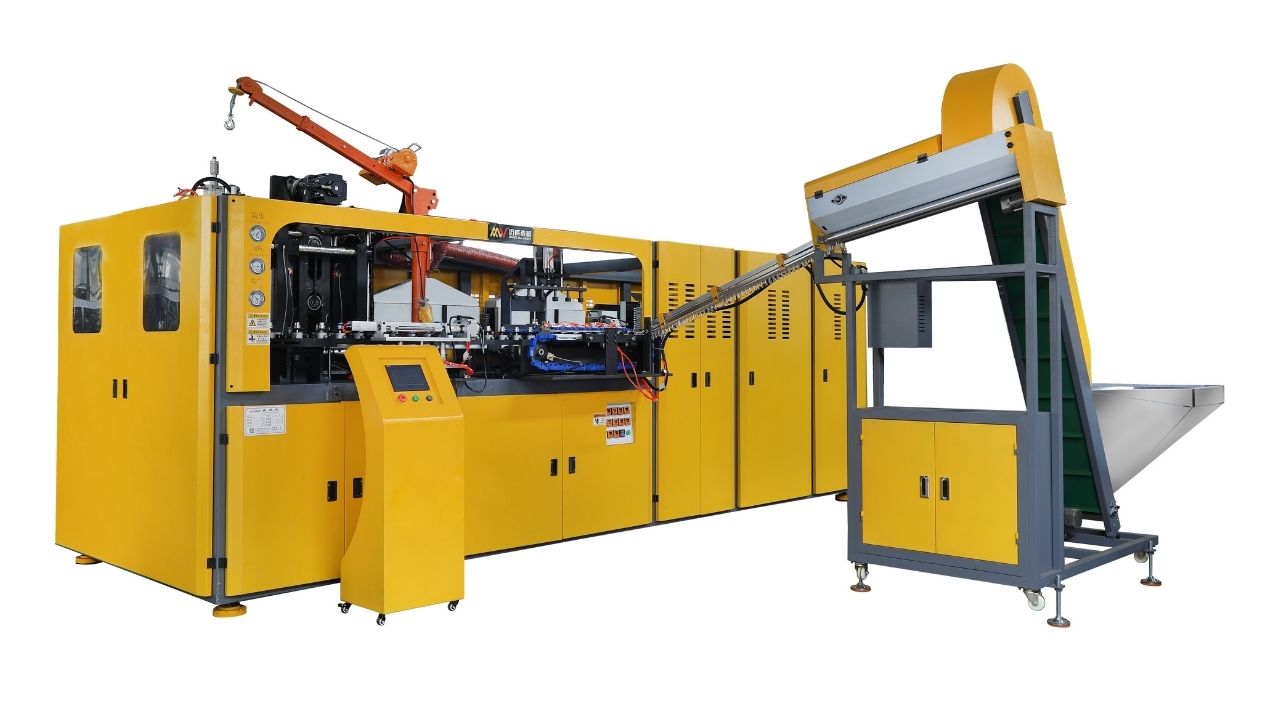
For businesses using plastic bottle manufacturing machines or extrusion blow molding machines, minimizing flash is directly linked to higher efficiency, lower waste, and improved product quality.
Best Practices to Prevent Neck Flash in Dip Blow Molding
1. Ensure Precise Mold Alignment
Proper alignment of the mold halves is fundamental. At Maiwei, our machines are designed with advanced alignment systems to guarantee a perfect fit. Regular inspection and calibration of the molds will help prevent gaps that lead to flash formation. Use high-quality mold bases and locking mechanisms to maintain alignment during repeated cycles.
2. Optimize Blow Pressure
Set the blow pressure to the minimum level required to form the product. Excessive pressure is a leading cause of flash, especially at the neck. Our blowing machines are equipped with precise pressure control systems, allowing operators to fine-tune settings for each product type.
3. Control Parison Size and Placement
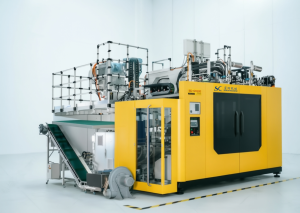
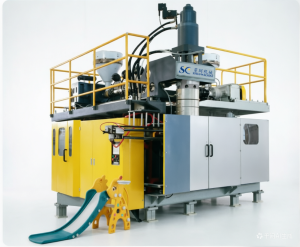
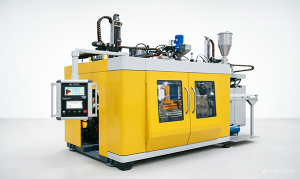
The size and position of the parison are crucial. If the parison is too thick or thin, it may not seat properly in the mold neck area. Maiwei’s extrusion blow molding machines offer programmable parison control, ensuring consistent wall thickness and optimal placement in the mold cavity.
4. Maintain Mold Quality
Regular cleaning and maintenance of the mold are essential. Check for wear, corrosion, or buildup that could affect the sealing surfaces. Replace or refurbish molds as needed to maintain a tight seal and prevent flash. At Maiwei, we provide comprehensive mold maintenance support to our clients.
5. Monitor Material Properties
Consistent material temperature and viscosity are vital for smooth molding. Use high-quality resins and maintain proper temperature control throughout the process. Our machines feature advanced heating and cooling systems to stabilize material flow and reduce flash risk.
Advanced Solutions from Maiwei
As a leading blowing machine manufacturer, Maiwei invests in R&D to deliver machines that inherently minimize neck flash. Here are some of our latest innovations:
- Servo-Controlled Parison Programming: Enables precise control over parison thickness and length, reducing the chances of flash at critical areas like the neck.
- High-Precision Mold Clamping: Our machines use hydraulic or electric clamping systems that ensure even force distribution, keeping molds perfectly aligned.
- Integrated Quality Monitoring: Sensors and vision systems detect flash in real time, allowing operators to make immediate adjustments.
Case Study: Reducing Flash in Plastic Bottle Manufacturing
One of our clients, a major player in the plastic bottle manufacturing machine sector, struggled with excessive neck flash, leading to high rejection rates. By upgrading to Maiwei’s latest extrusion blow molding machines, which feature servo-driven parison control and enhanced mold alignment, the client reduced neck flash by over 80%, significantly improving yield and lowering costs.
Importance of Training and Process Optimization
Even the best machines require skilled operators. Maiwei offers comprehensive training programs to help clients understand the nuances of dip blow molding and optimize their processes. Topics include:
- Proper mold installation and maintenance
- Blow pressure optimization
- Parison programming techniques
- Material selection and handling
Continuous process optimization, supported by data from machine sensors and quality checks, ensures long-term success in preventing neck flash.
Conclusion
Neck flash is a common but manageable challenge in dip blow molding. By focusing on precise mold alignment, optimal blow pressure, controlled parison size, diligent mold maintenance, and consistent material properties, manufacturers can drastically reduce or even eliminate neck flash. Maiwei, as a trusted blowing machine manufacturer, provides not only the right equipment but also the expertise and support needed to achieve flawless results. Whether you are investing in new plastic bottle manufacturing machines or upgrading your extrusion blow molding machine line, Maiwei is your partner in quality and efficiency.
Contact us today to learn more about our advanced solutions and how we can help you prevent neck flash in your dip blow molding operations.