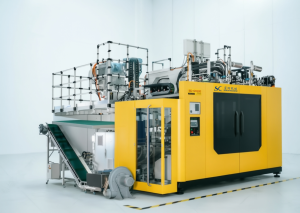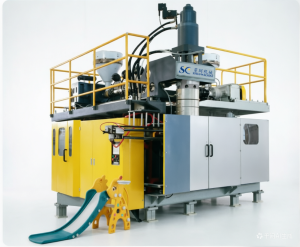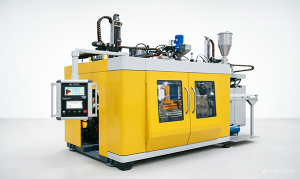
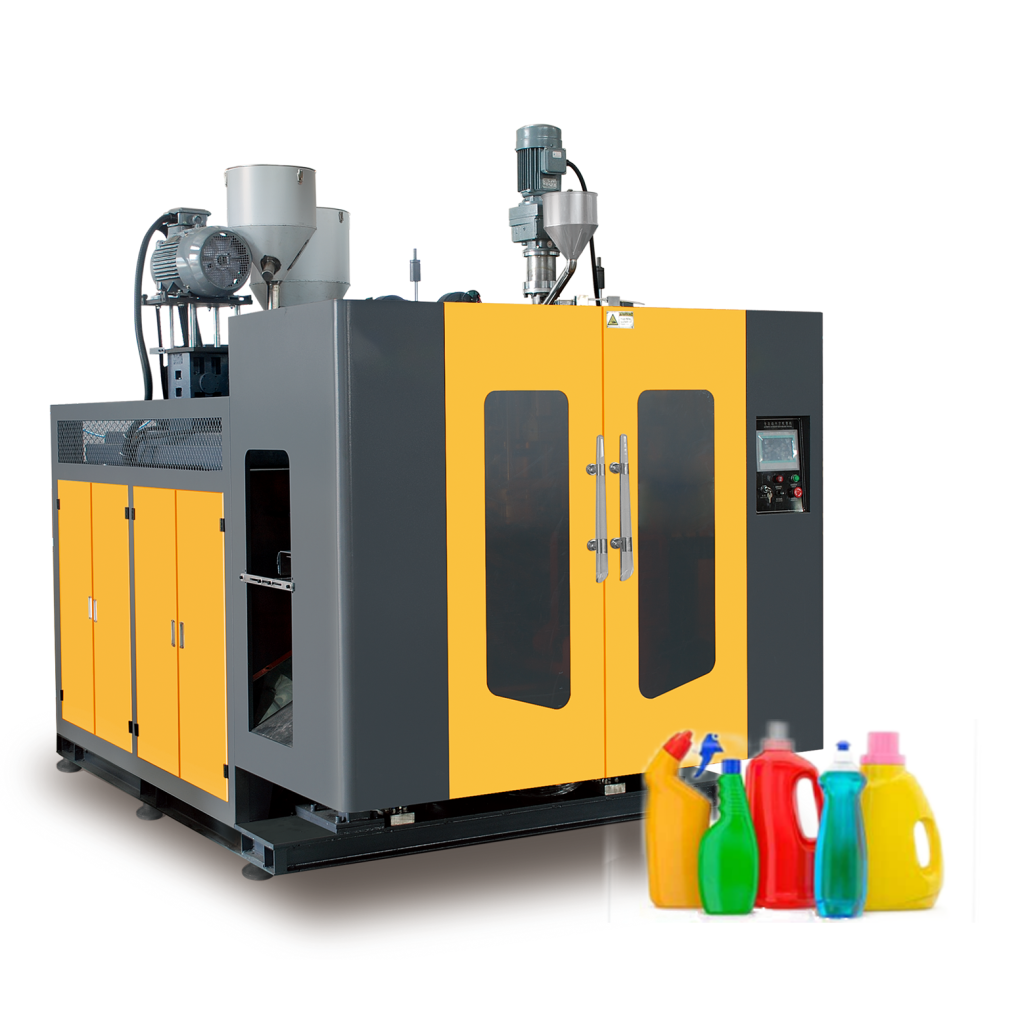
As a leading blowing machine manufacturer, Maiwei is committed to helping you achieve the highest quality in your bottle production processes. One of the most common issues faced in dip blow bottle manufacturing is the appearance of air bubbles. These imperfections not only compromise the visual appeal of bottles but can also affect their structural integrity and performance. In this article, we’ll explore the causes of air bubbles, troubleshooting steps, and best practices to ensure flawless bottles every time.
Understanding Dip Blow Bottle Technology
Dip blow molding is a specialized technique used in the production of plastic bottles, widely adopted for its efficiency and versatility. This process involves the extrusion of a parison (a tube of molten plastic), which is then dipped and blown into a mold to form the desired bottle shape. While advanced machines, such as those manufactured by Maiwei, are designed to minimize defects, air bubbles can still occur due to various factors.
Why Air Bubbles Matter
Air bubbles in bottles can lead to:
- Weak spots in the bottle wall
- Compromised product integrity
- Reduced shelf appeal
- Potential leakage or contamination
Common Causes of Air Bubbles in Dip Blow Bottles
Before troubleshooting, it’s essential to understand the root causes of air bubble formation. These typically include:
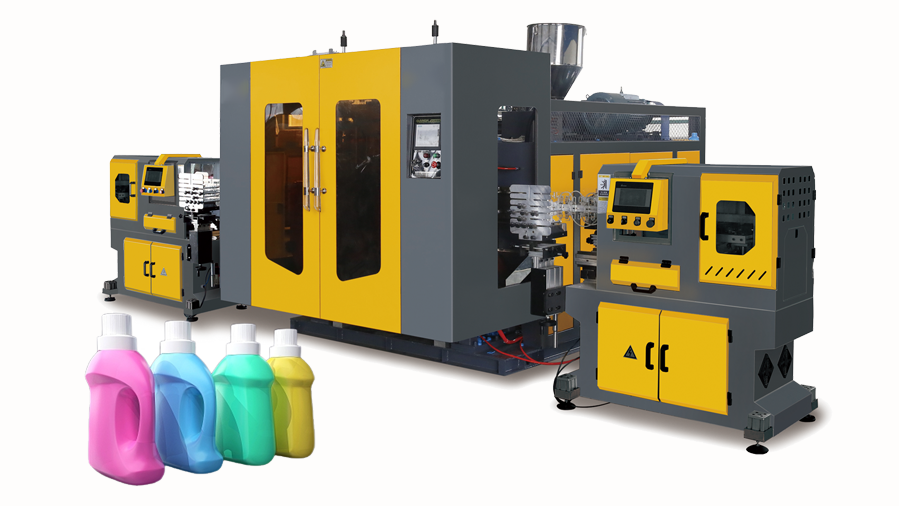
- Material Issues: Impurities, moisture, or improper mixing of raw materials.
- Machine Settings: Incorrect temperature, pressure, or timing during the blowing process.
- Mold Problems: Poor mold design, wear, or contamination.
- Operator Error: Inadequate training or failure to follow standard operating procedures.
Injection Stretch Blow Molding
In contrast to dip blow molding, injection stretch blow molding is another advanced technique that can offer higher clarity and strength, but it also requires precise control to avoid defects such as air bubbles. Maiwei’s expertise spans both technologies, ensuring optimal performance across production lines.
Step-by-Step Troubleshooting Guide
1. Inspect Raw Materials
Start by examining your raw materials for impurities or moisture content. Wet or contaminated materials are a leading cause of air bubble formation. Ensure all resins are properly dried and stored in a controlled environment.
2. Check Machine Calibration
Maiwei’s blowing machines are equipped with advanced control systems to maintain precise temperature and pressure settings. Regularly verify that all settings align with the specifications for your bottle design and material type. Incorrect calibration can lead to uneven plastic flow and trapped air.
3. Evaluate Mold Condition
Inspect molds for wear, residue, or damage. Even minor imperfections can disrupt the flow of plastic, causing air pockets. Clean and maintain molds regularly, and replace any components showing signs of deterioration.
4. Optimize Blowing Parameters
- Temperature: Ensure the plastic is heated to the correct temperature for optimal viscosity.
- Pressure: Adjust blowing pressure to achieve uniform expansion without trapping air.
- Timing: Synchronize the blowing and cooling cycles to prevent premature solidification or incomplete expansion.
5. Train Operators Thoroughly
Human error remains a significant factor in production defects. Maiwei recommends comprehensive operator training, focusing on machine operation, troubleshooting, and quality control.
Preventive Maintenance for Blowing Machines
Regular maintenance schedules are crucial to prevent air bubble issues. As a reputable blowing machine manufacturer, Maiwei provides detailed maintenance checklists and support services for all its equipment:
- Clean and inspect all machine components regularly.
- Monitor and replace filters to ensure air purity.
- Lubricate moving parts to prevent mechanical faults.
- Update software and firmware for optimal machine performance.
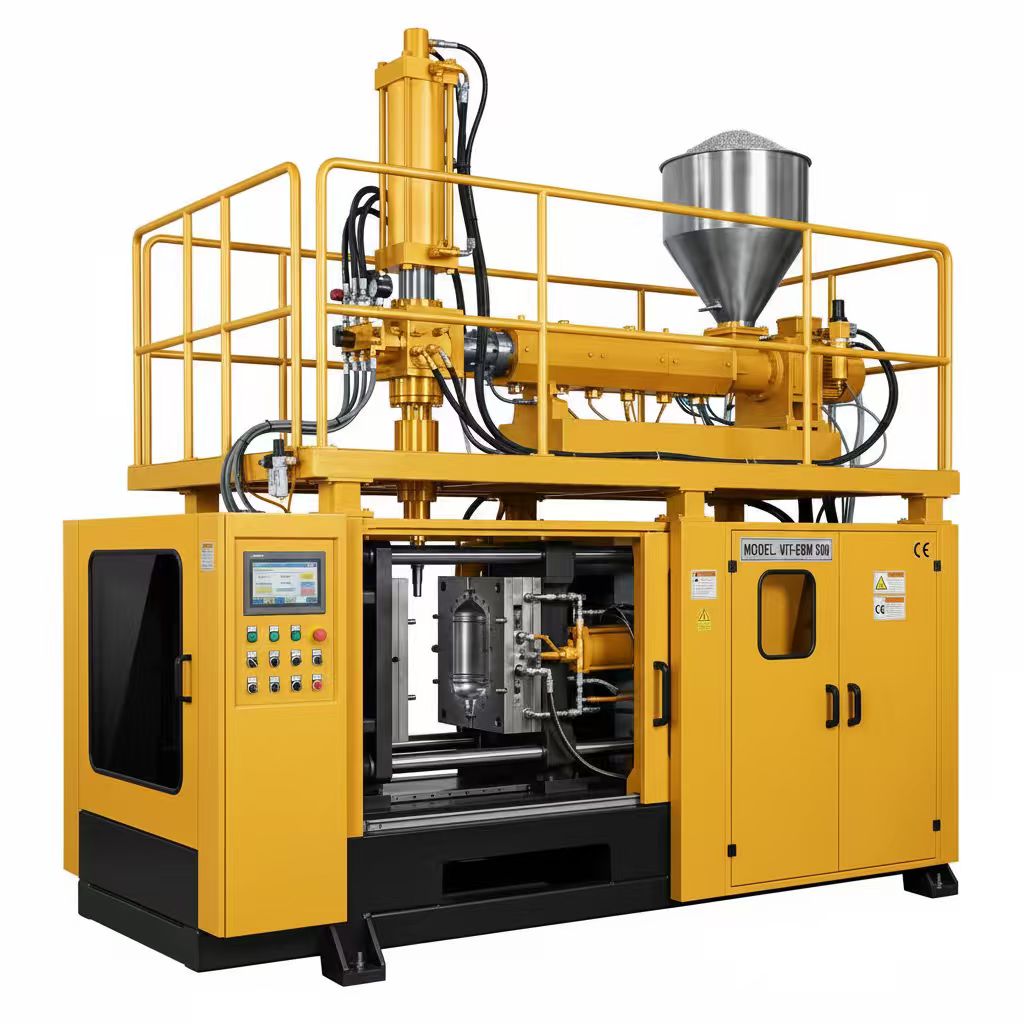
Blow Molding Machine
The term blow molding machine encompasses a range of equipment, including those designed for dip blow, extrusion blow, and injection stretch blow molding. Maiwei’s machines are engineered for reliability and minimal defect rates, but regular checks are essential for peak performance.
Quality Control Measures
Implementing rigorous quality control measures can help detect and address air bubble issues early in the production process:
- Visual inspection of bottles post-production
- Pressure and leak testing
- Dimensional checks using precision instruments
- Automated defect detection systems integrated into Maiwei machines
Case Study: Solving Air Bubble Issues with Maiwei Solutions
A leading beverage manufacturer recently faced frequent air bubble defects in their dip blow bottles. By partnering with Maiwei, they implemented a comprehensive troubleshooting approach, including machine recalibration, operator retraining, and mold refurbishment. Within weeks, defect rates dropped by over 90%, resulting in significant cost savings and improved product quality.
Best Practices for Bubble-Free Bottles
- Source high-quality, moisture-free raw materials
- Maintain optimal machine settings as per manufacturer guidelines
- Schedule regular preventive maintenance and mold cleaning
- Invest in operator training and continuous improvement programs
- Utilize automated quality inspection systems
Maiwei: Your Trusted Partner in Blowing Technology
As a globally recognized blowing machine manufacturer, Maiwei is dedicated to helping clients overcome production challenges such as air bubbles in dip blow bottles. Our machines are designed with advanced control features, robust construction, and user-friendly interfaces to ensure consistent, high-quality output. Whether you are producing bottles using dip blow, injection stretch blow molding, or any other method, Maiwei offers tailored solutions and expert support.
Conclusion
Air bubbles in dip blow bottles can be a persistent challenge, but with the right approach, they are entirely preventable. By following the troubleshooting steps outlined above and partnering with a reliable blow molding machine provider like Maiwei, you can ensure the production of flawless, high-performance bottles. For more information or technical support, contact Maiwei’s team of experts today and take your bottle manufacturing to the next level.
Tags:Blowing Machine price,Blowing Machine service,PET Bottle Machine price,PET Blowing Machine manufacturer