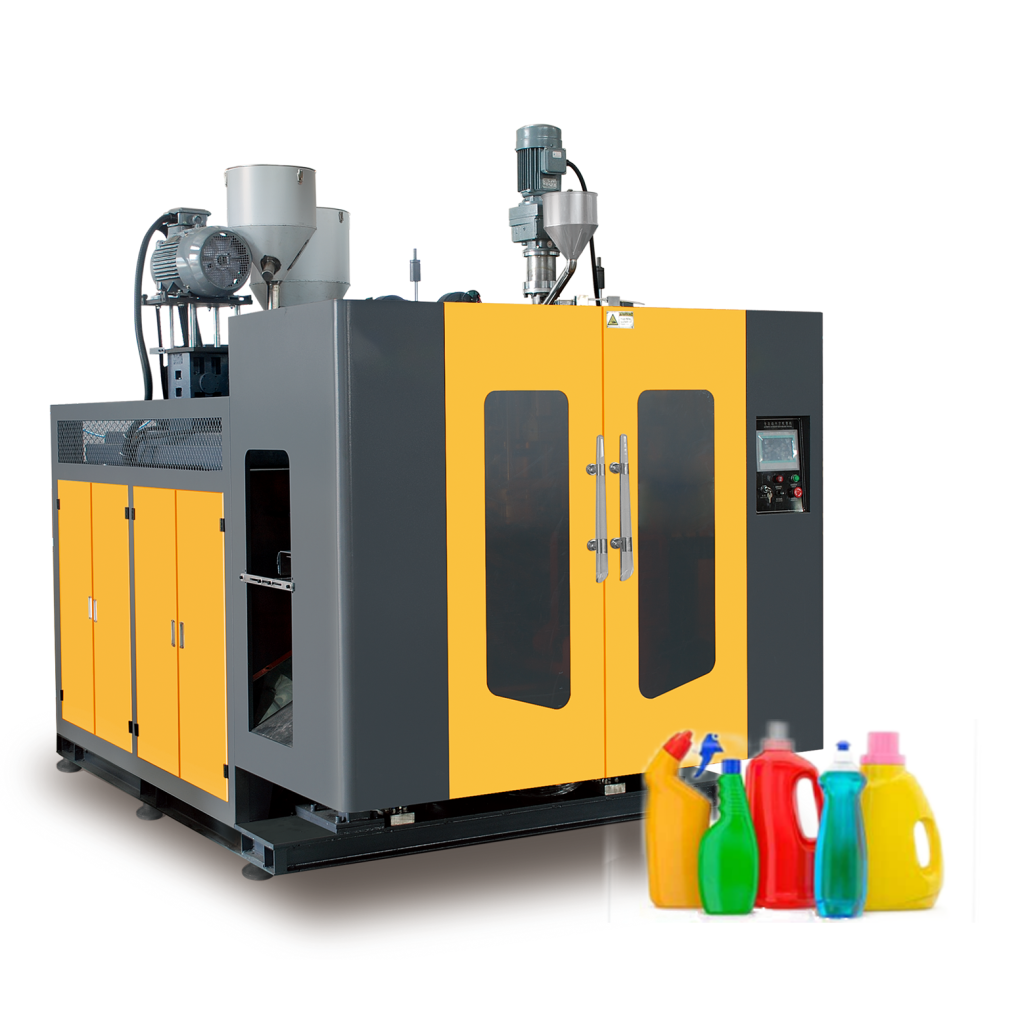
How to Reduce Scrap Rates in Reciprocating Screw Molding: Strategies from Maiwei, Leading Blowing Machine Manufacturer
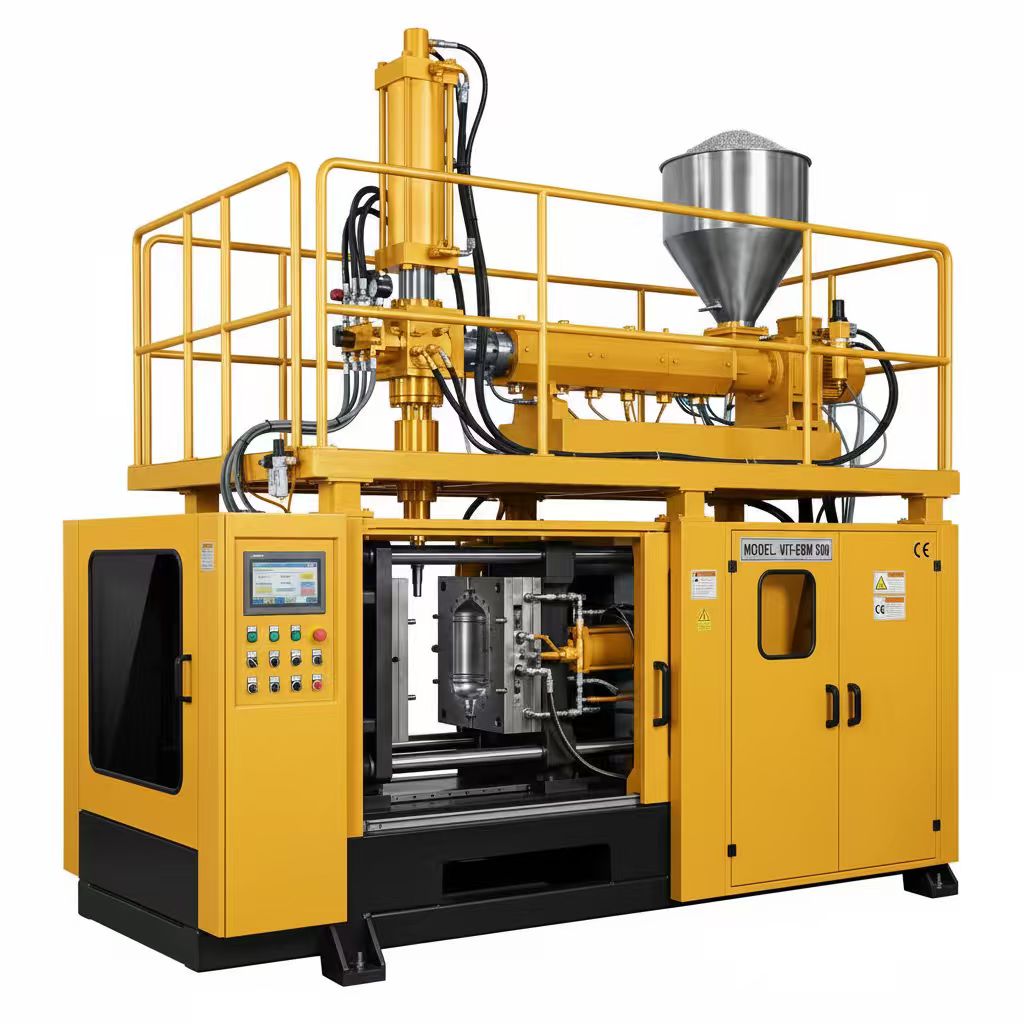
Manufacturers worldwide face the continuous challenge of minimizing scrap rates in reciprocating screw molding processes. As a trusted Blowing Machine manufacturer, Maiwei has developed and implemented proven strategies to help factories achieve higher efficiency, lower costs, and enhanced product quality. In this article, we will explore the root causes of scrap in reciprocating screw molding and provide actionable solutions, while also discussing the significance of blow molding machine and plastic bottle machine advancements.
Understanding Scrap in Reciprocating Screw Molding
Reciprocating screw molding is a widely used technique in the plastics industry, particularly for manufacturing hollow products such as bottles and containers. The process involves melting plastic resin, injecting it into a mold, and then shaping it with a reciprocating screw mechanism. Despite its efficiency, this method can generate significant scrap—material that does not meet quality standards and must be discarded or reprocessed.
- Material Waste: Unused or defective material increases production costs.
- Energy Loss: Scrapped products represent wasted energy and resources.
- Downtime: High scrap rates often lead to more frequent machine stoppages for cleaning and adjustments.
- Quality Control: Excessive scrap can indicate deeper process or equipment issues.
Common Causes of Scrap in Reciprocating Screw Molding
Before implementing solutions, it’s essential to identify the primary causes of scrap in reciprocating screw molding operations. Based on Maiwei’s extensive experience as a blowing machine manufacturer, the most frequent culprits include:

- Inconsistent Melt Temperature: Variations in temperature can cause incomplete melting or thermal degradation of resin.
- Poor Material Feeding: Irregular feeding can lead to air pockets, voids, or inconsistent product weight.
- Mold Defects: Worn or damaged molds produce off-spec products.
- Screw Wear: A worn screw reduces mixing efficiency and melt homogeneity.
- Improper Machine Settings: Incorrect pressure, speed, or cycle times result in dimensional inaccuracies.
Maiwei’s Solutions to Reduce Scrap Rates
Maiwei’s commitment to innovation and quality as a leading blowing machine manufacturer has led to the development of several key strategies for reducing scrap rates:
1. Precise Temperature Control
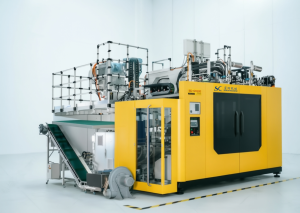
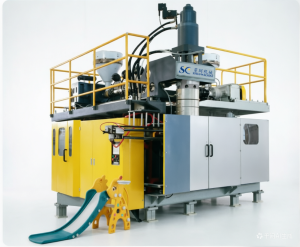
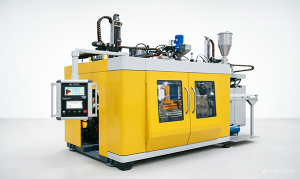
Maintaining stable and optimal melt temperatures is critical. Maiwei’s blow molding machine series features advanced PID temperature controllers and real-time monitoring systems. These technologies ensure the resin is processed within precise temperature ranges, minimizing the risk of thermal degradation or incomplete melting.
2. Enhanced Material Feeding Systems
Uniform feeding of resin pellets is essential for consistent product quality. Maiwei integrates automatic gravimetric feeding systems in its reciprocating screw machines, which precisely measure and dispense materials. This eliminates variations in product weight and reduces the occurrence of voids or bubbles.
3. Superior Mold Maintenance and Design
Regular inspection and maintenance of molds are critical to prevent defects. Maiwei provides comprehensive mold care programs, including ultrasonic cleaning and precision alignment. Additionally, our R&D team continuously innovates mold designs to improve cooling efficiency and product release, further reducing scrap rates.
4. Advanced Screw and Barrel Materials
Wear-resistant alloys and coatings extend the life of screws and barrels, maintaining optimal mixing and melting performance. Maiwei’s machines utilize high-grade materials, ensuring consistent operation and reducing the frequency of screw replacement.
5. Automated Process Optimization
Maiwei’s plastic bottle machine lineup is equipped with AI-driven process optimization features. These systems automatically adjust cycle times, injection pressures, and other parameters in real time, responding to variations in raw material or environmental conditions. This proactive approach drastically minimizes human error and maintains product consistency.
Implementing Lean Manufacturing Principles
Beyond machine improvements, adopting lean manufacturing principles can further reduce scrap rates. Maiwei assists customers in streamlining workflows, implementing 5S practices, and establishing robust quality control checkpoints. By integrating these principles, manufacturers can identify and eliminate sources of waste throughout the production process.
- Standardized Work Instructions: Clear, detailed instructions reduce operator error.
- Real-time Data Collection: Monitoring key metrics helps identify trends and address issues proactively.
- Continuous Training: Skilled operators are less likely to make mistakes that lead to scrap.
Quality Assurance: The Maiwei Difference
Maiwei’s reputation as a top blowing machine manufacturer is built on a foundation of rigorous quality assurance. Each machine undergoes strict testing and calibration before delivery. Our support team provides on-site training, troubleshooting, and ongoing maintenance to ensure optimal performance and minimal scrap.
Moreover, Maiwei’s engineering team collaborates closely with clients to tailor machine configurations for specific applications, such as high-speed bottle production or complex industrial containers. This customization ensures that each blow molding machine or plastic bottle machine delivers maximum efficiency and minimal waste.
Case Study: Scrap Reduction in Plastic Bottle Manufacturing
A recent Maiwei client in the beverage industry faced scrap rates exceeding 8% due to inconsistent wall thickness and frequent voids in their bottles. After upgrading to Maiwei’s latest reciprocating screw plastic bottle machine with integrated process monitoring and gravimetric feeding, scrap rates dropped to below 2%. The client also benefited from reduced downtime and lower material costs, demonstrating the tangible impact of advanced technology and expert support.
Future Trends: Smart Manufacturing and Sustainability
As the plastics industry evolves, digitalization and sustainability are becoming increasingly important. Maiwei is at the forefront of integrating IoT sensors, machine learning, and predictive maintenance into its blowing machines. These innovations not only reduce scrap but also support energy efficiency and environmental responsibility.
Furthermore, Maiwei encourages the use of recycled and bio-based resins in reciprocating screw molding, helping customers meet global sustainability goals without compromising quality.
Conclusion: Partner with Maiwei for Lower Scrap and Higher Profits
Reducing scrap rates in reciprocating screw molding is achievable through a combination of advanced machinery, process optimization, and quality-focused culture. As a leading blowing machine manufacturer, Maiwei empowers clients with cutting-edge solutions, expert guidance, and dedicated after-sales support. Whether you’re producing bottles, containers, or custom plastic products, upgrading to a Maiwei blow molding machine or plastic bottle machine is a strategic investment in productivity and sustainability.
Contact Maiwei today to discover how our technology and expertise can transform your molding operations and drive your business forward.