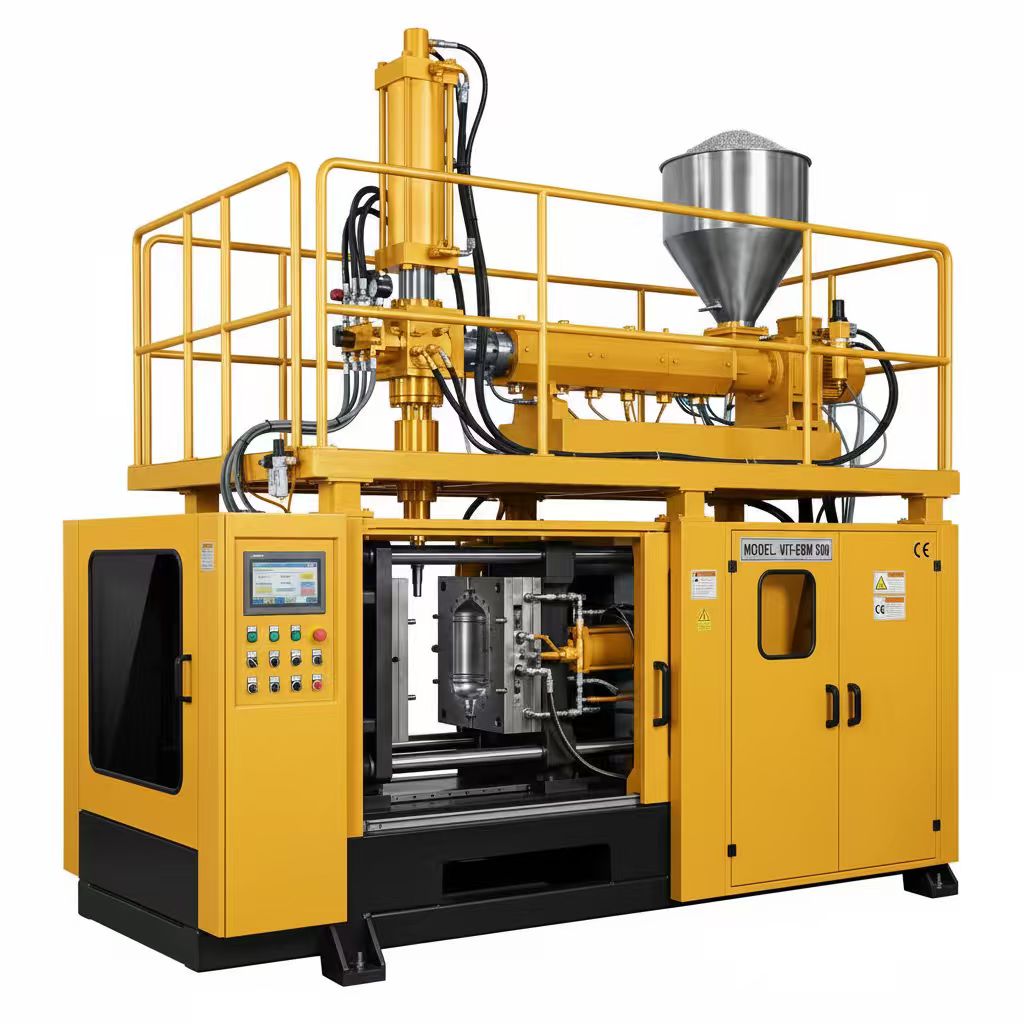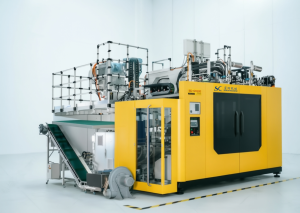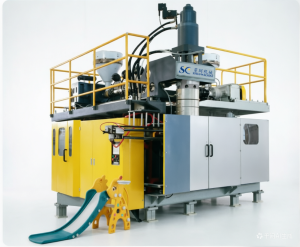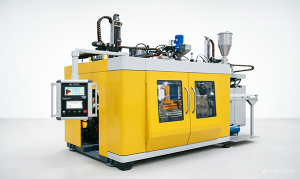
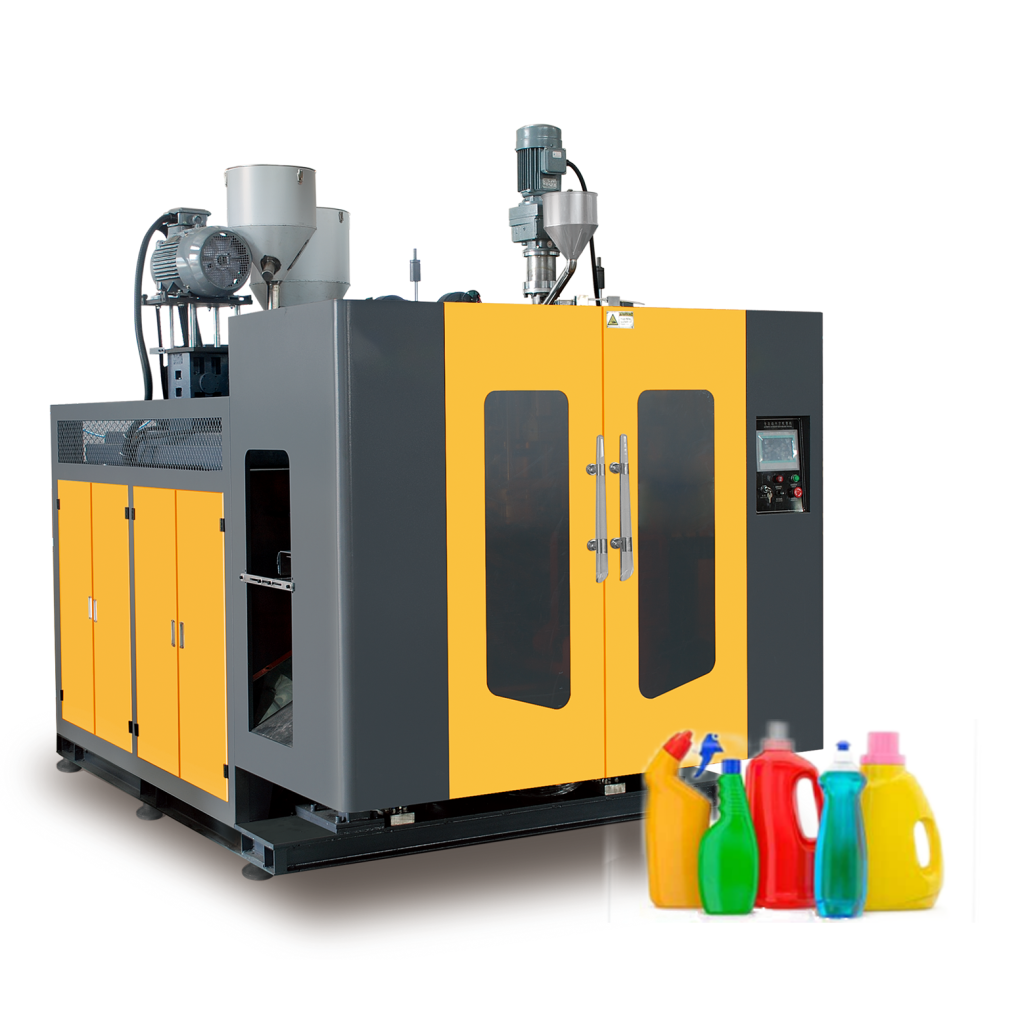
Uneven melt temperature is a common challenge in the plastics processing industry, especially for manufacturers using advanced blowing machines. As a globally recognized Blowing Machine Manufacturer, Maiwei is committed to helping our clients maintain optimal production quality. In this article, we will explore the causes of uneven melt temperature, its impact on production, and provide a detailed troubleshooting guide. Additionally, we will discuss the importance of plastic bottle manufacturing and energy efficiency in modern blowing machine operations.
Understanding Melt Temperature in Blowing Machines
Melt temperature refers to the heat level at which plastic resin transforms into a homogeneous molten state, ready for blowing or molding. Consistent melt temperature is crucial for producing high-quality plastic bottles and containers. Variations in melt temperature can result in defects such as uneven wall thickness, poor surface finish, and compromised mechanical properties.
Common Causes of Uneven Melt Temperature
- Inconsistent Heating Zones: Malfunctioning or poorly calibrated heaters can create hot and cold spots along the barrel.
- Screw Design Issues: Worn or inappropriate screw design can lead to inadequate mixing and heat distribution.
- Material Variability: Different batches of resin may have varying thermal properties, affecting how they absorb heat.
- Improper Cooling: Overactive cooling systems or uneven airflow can cause rapid temperature drops.
- Process Parameter Fluctuations: Changes in screw speed, back pressure, or feed rate can disrupt thermal consistency.
Step-by-Step Troubleshooting Guide
1. Verify Heating System Performance
Begin by checking the status of all heating zones on your blowing machine. Use a reliable temperature measurement device to compare set values with actual readings. Replace faulty heaters and recalibrate controllers as necessary.
2. Inspect the Screw and Barrel
Remove and examine the screw for signs of wear or damage. A worn screw can result in poor mixing and uneven melt distribution. Ensure the barrel is free from buildup or blockages that could restrict flow.
3. Assess Material Quality and Consistency
Inconsistent melt temperature can often be traced to resin quality. Always use resin from reputable suppliers and check for moisture content or contamination. Pre-dry materials as required and store them in controlled environments.
4. Optimize Cooling and Airflow
Check that all cooling fans and water circuits are functioning correctly. Adjust airflow to ensure uniform cooling throughout the barrel and die head. Avoid excessive cooling, which can cause thermal shock and uneven melt.
5. Fine-Tune Process Parameters
Review your machine’s process settings. Gradually adjust screw speed, back pressure, and feed rate to achieve stable melt temperature. Monitor the impact of each change and document optimal settings for future reference.
6. Implement Preventive Maintenance
Regular maintenance is key to preventing uneven melt temperature. Schedule routine inspections of heaters, thermocouples, screws, and barrels. Keep maintenance records to identify recurring issues and trends.
Maiwei’s Advanced Solutions for Melt Temperature Control
As a leading Blowing Machine Manufacturer, Maiwei integrates innovative temperature control systems into our machines. Our solutions include:
- Precision PID temperature controllers for accurate heating management
- High-efficiency mixing screws for superior melt homogeneity
- Automated alarm systems for immediate fault detection
- Customizable cooling circuits for tailored process control
By leveraging these technologies, Maiwei helps customers achieve consistent product quality and improved operational efficiency.
Impact of Uneven Melt Temperature on Plastic Bottle Manufacturing
In the context of plastic bottle manufacturing, uneven melt temperature can lead to a range of defects, including:
- Irregular bottle wall thickness
- Weak seam lines and poor impact resistance
- Surface blemishes and haziness
- Increased scrap rates and production downtime
Maintaining uniform melt temperature is essential for producing bottles that meet strict quality standards and regulatory requirements.
Energy Efficiency: A Key Consideration
Modern manufacturing places a strong emphasis on energy efficiency. Uneven melt temperature not only affects product quality but also increases energy consumption. Overheating or excessive cooling wastes valuable resources and raises operational costs.
Maiwei’s machines are designed with energy-saving features, such as insulated barrels and intelligent heating controls, to minimize energy usage without compromising performance.
Best Practices for Preventing Uneven Melt Temperature
- Regularly calibrate all temperature sensors and controllers
- Use high-quality, well-dried resin materials
- Follow manufacturer-recommended maintenance schedules
- Train operators on optimal machine settings and troubleshooting techniques
- Invest in modern blowing machines with advanced temperature management
Conclusion
Uneven melt temperature is a critical issue that can severely impact the efficiency and quality of your plastic bottle manufacturing process. By following the troubleshooting steps outlined above and investing in advanced blowing machines from Maiwei, you can ensure consistent melt temperature, higher product quality, and improved energy efficiency.
For more information on Maiwei’s innovative solutions or to discuss your specific requirements, contact our expert team today. As a trusted Blowing Machine Manufacturer, Maiwei is dedicated to supporting your success in the competitive plastics industry.