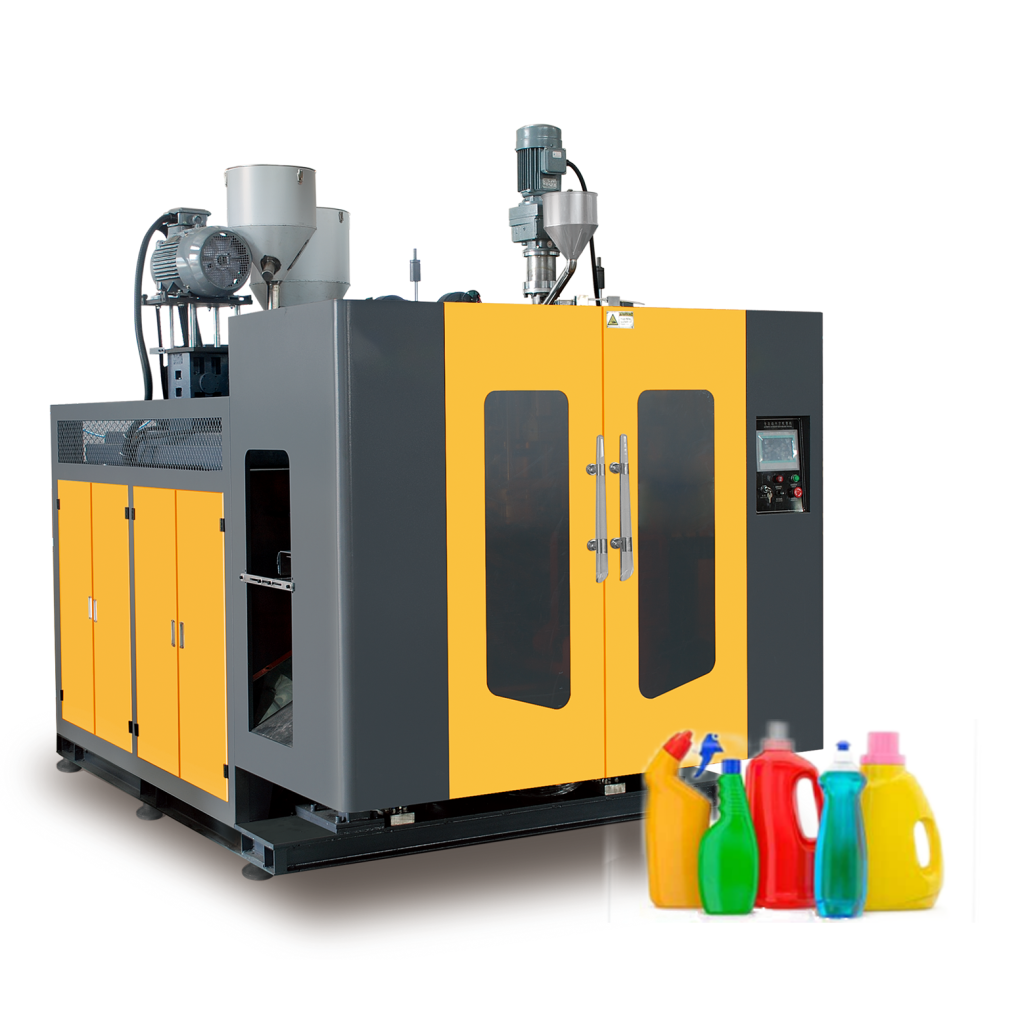
Introduction to Reciprocating Screw Blow Molding
Blow molding is a transformative process in the plastics industry, enabling the mass production of hollow plastic parts such as bottles, containers, and tanks. Among the various blow molding techniques, reciprocating screw blow molding has emerged as a pivotal innovation, especially for high-speed and high-volume production. Maiwei, a leading Blowing Machine Manufacturer, has been at the forefront of adopting and refining this technology to meet the evolving demands of global packaging and industrial markets.
In this article, we will delve into the working principles of reciprocating screw blow molding, its advantages, and its impact on the production of plastic containers. Additionally, we will touch upon related concepts such as extrusion blow molding and injection stretch blow molding, providing a comprehensive understanding of the field.
What is Reciprocating Screw Blow Molding?
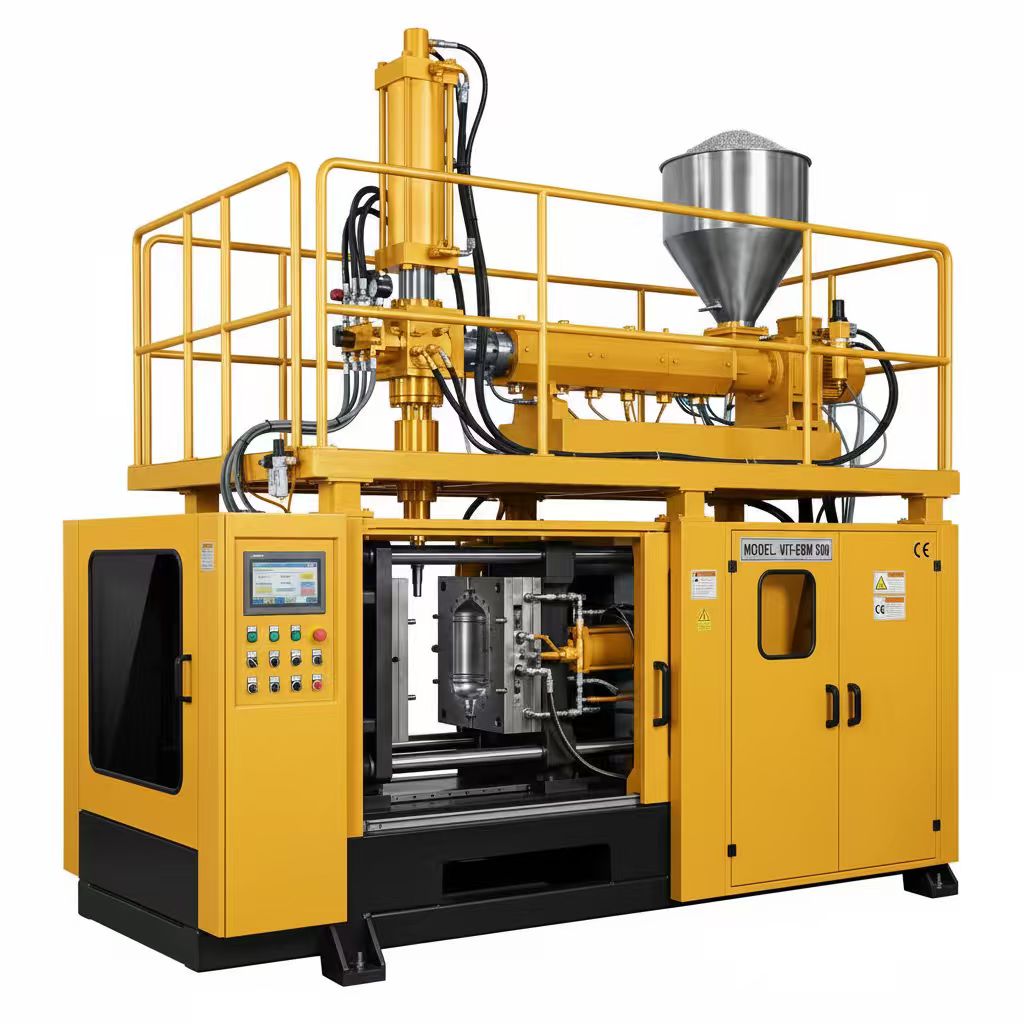
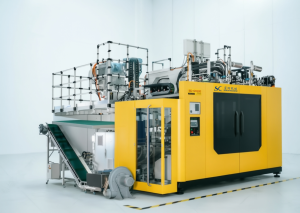
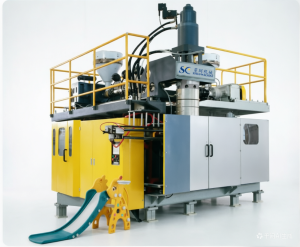
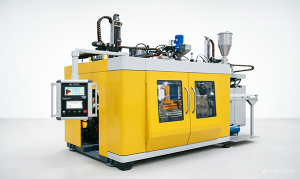
Reciprocating screw blow molding is a specialized process used to create hollow plastic products. Unlike conventional blow molding, which typically uses a continuous extrusion screw, the reciprocating screw system employs a screw that moves back and forth (reciprocates) inside the barrel. This unique motion allows for precise control over the parison (the hollow tube of molten plastic) formation, resulting in consistent wall thickness and superior product quality.
water bottle making machine
extrusion blow molding machine
water bottle manufacturing machine
pet blowing machine
stretch blow moulding
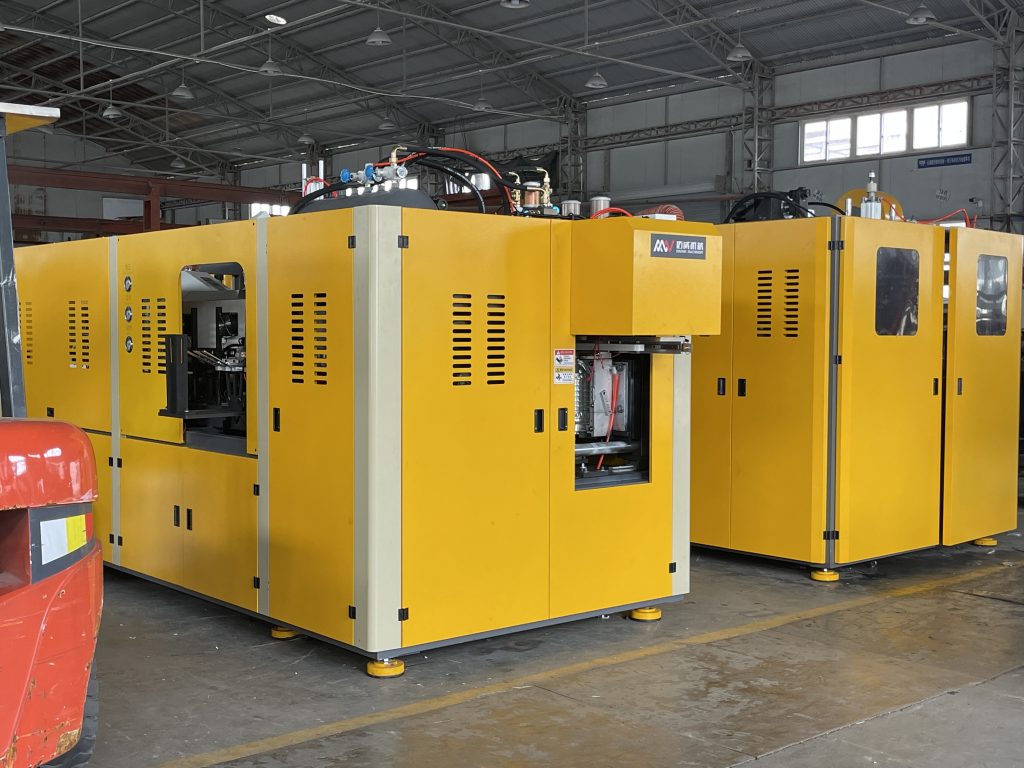
Key Components of a Reciprocating Screw Blow Molding Machine
- Reciprocating Screw: The heart of the machine, responsible for both plasticizing and injecting the material.
- Barrel: Houses the screw and heats the plastic resin.
- Clamping Unit: Holds the mold halves together during the blowing process.
- Blow Pin: Injects compressed air to expand the parison into the mold cavity.
- Parison Programming System: Controls the thickness of the parison for optimal strength and material usage.
- Hydraulic or Electric Drive: Powers the reciprocating motion of the screw.
The Step-by-Step Process
Here’s how the reciprocating screw blow molding process works in a typical Maiwei machine:
- Plasticizing: Plastic resin pellets are fed into the barrel, where the reciprocating screw rotates and moves forward, melting the material through friction and heat.
- Parison Formation: Once the correct amount of molten plastic is accumulated, the screw moves forward, injecting the material through a die head to form a parison.
- Mold Closing: The mold halves close around the parison, sealing the bottom and preparing for the blowing phase.
- Blowing: A blow pin is inserted into the parison, and compressed air is injected, forcing the plastic to expand against the mold walls and take its shape.
- Cooling: The mold remains closed while the plastic cools and solidifies.
- Ejection: The mold opens, and the finished product is ejected, ready for trimming and inspection.
Advantages of Reciprocating Screw Blow Molding
The reciprocating screw system offers several significant advantages over traditional extrusion or injection systems, making it a preferred choice for many manufacturers:
- Consistent Wall Thickness: The reciprocating motion allows for precise parison control, resulting in uniform wall thickness and higher product integrity.
- High Output Rates: Ideal for large-scale production, reciprocating screw machines can produce thousands of bottles per hour.
- Material Efficiency: Parison programming minimizes material waste, reducing production costs and improving sustainability.
- Versatility: Suitable for a wide range of resins, including HDPE, LDPE, PP, and more.
- Automated Operation: Modern machines from Maiwei feature advanced controls for fully automated, low-maintenance operation.
Comparison Table: Reciprocating Screw vs. Continuous Extrusion Blow Molding
| Feature | Reciprocating Screw | Continuous Extrusion |
|---|---|---|
| Parison Control | Excellent, programmable | Good, but less precise |
| Output Speed | Very High | Moderate to High |
| Material Range | Wide | Wide |
| Wall Thickness Consistency | Superior | Variable |
| Initial Investment | Higher | Lower |
Maiwei: Leading the Way as a Blowing Machine Manufacturer
As a renowned Blowing Machine Manufacturer, Maiwei has revolutionized the reciprocating screw blow molding sector. Their machines are engineered for reliability, speed, and precision, serving industries ranging from food and beverage to pharmaceuticals and personal care. Maiwei’s commitment to research and development ensures that their equipment is always at the cutting edge, incorporating the latest advancements in automation, energy efficiency, and safety.
Maiwei also offers comprehensive technical support and customization options, tailoring solutions to each client’s unique needs. Whether you are a startup or a multinational corporation, Maiwei’s expertise can help you optimize your production line and stay ahead in a competitive market.
Related Technologies: Extrusion Blow Molding & Injection Stretch Blow Molding
While reciprocating screw blow molding is ideal for high-speed bottle production, other techniques such as extrusion blow molding and injection stretch blow molding are also widely used. Extrusion blow molding is valued for its simplicity and flexibility, particularly for larger containers and complex shapes. Injection stretch blow molding, on the other hand, is preferred for producing PET bottles with exceptional clarity and strength, often used in the beverage industry.
Maiwei’s portfolio includes machines for all these processes, ensuring clients have access to the best technology for every application.
Applications of Reciprocating Screw Blow Molding
- Beverage bottles (water, juice, milk)
- Personal care containers (shampoo, lotion)
- Household chemical bottles (detergents, cleaners)
- Pharmaceutical packaging
- Industrial containers (lubricants, oils)
Future Trends in Blow Molding Technology
As sustainability and efficiency become more critical, the blow molding industry is evolving rapidly. Reciprocating screw technology is being enhanced with features such as real-time process monitoring, predictive maintenance, and energy-saving drives. Maiwei is investing heavily in green technologies, helping clients reduce their carbon footprint without compromising productivity.
Conclusion
Reciprocating screw blow molding represents a significant leap forward in plastic container manufacturing. With its superior control, high output, and material efficiency, it is the technology of choice for producers seeking quality and cost-effectiveness. Maiwei, as a premier Blowing Machine Manufacturer, continues to set industry benchmarks, delivering innovative solutions tailored to the needs of modern manufacturers. Whether you are considering reciprocating screw, extrusion blow molding, or injection stretch blow molding, Maiwei’s expertise and advanced machinery are your keys to success in the competitive world of plastics.