Introduction: The Drive for Lightweighting in Plastics Manufacturing
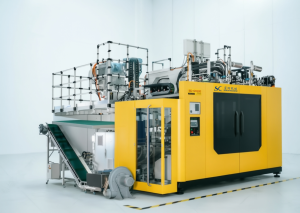
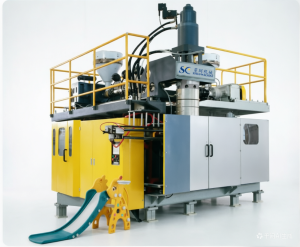
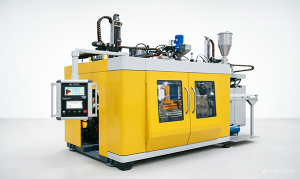
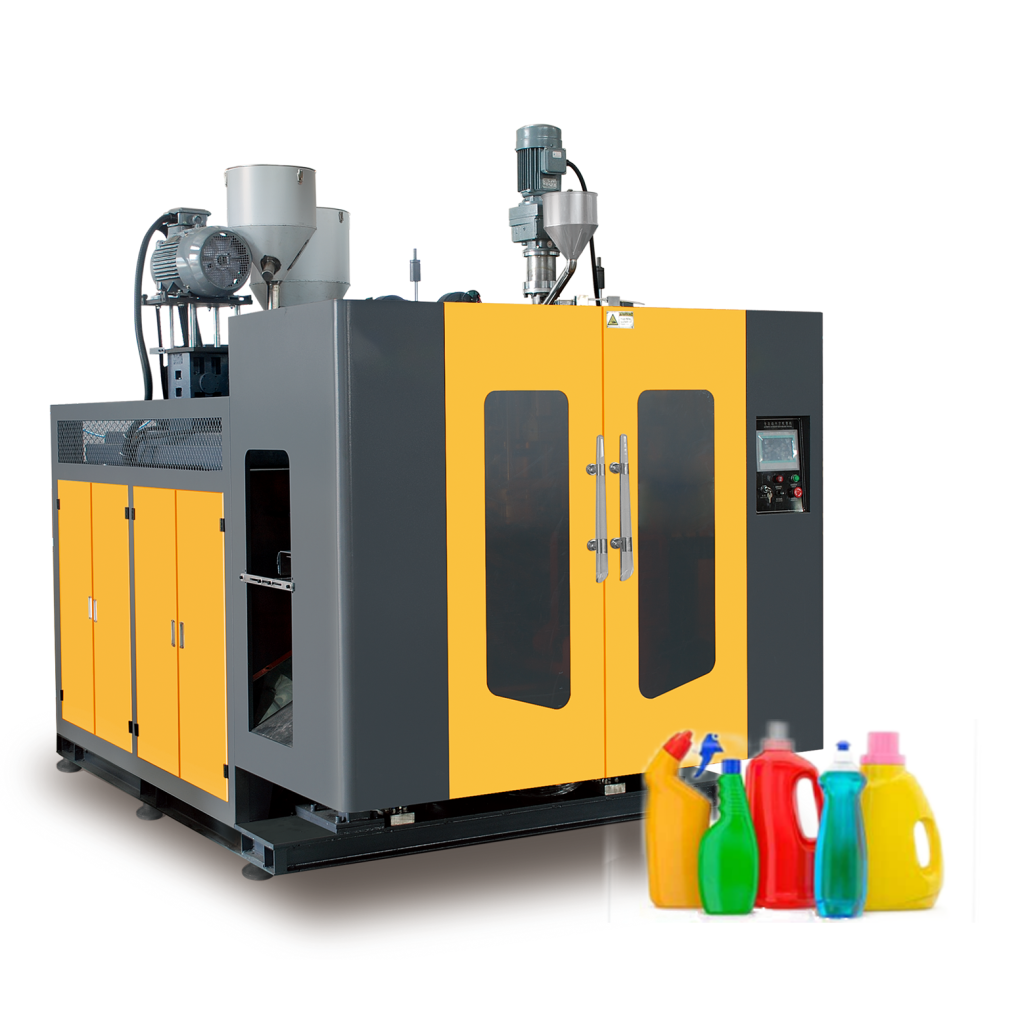
The plastics industry is undergoing a significant transformation, driven by the global push for sustainability, cost efficiency, and resource conservation. One of the most impactful trends is lightweighting—reducing the weight of plastic products while maintaining or enhancing their performance. At the heart of this evolution is the reciprocating screw, a critical component in blow molding machinery. As a leading Blowing Machine manufacturer, Maiwei is dedicated to advancing this technology, enabling manufacturers to achieve remarkable material savings and meet the demands of modern production.
Understanding Reciprocating Screw Technology
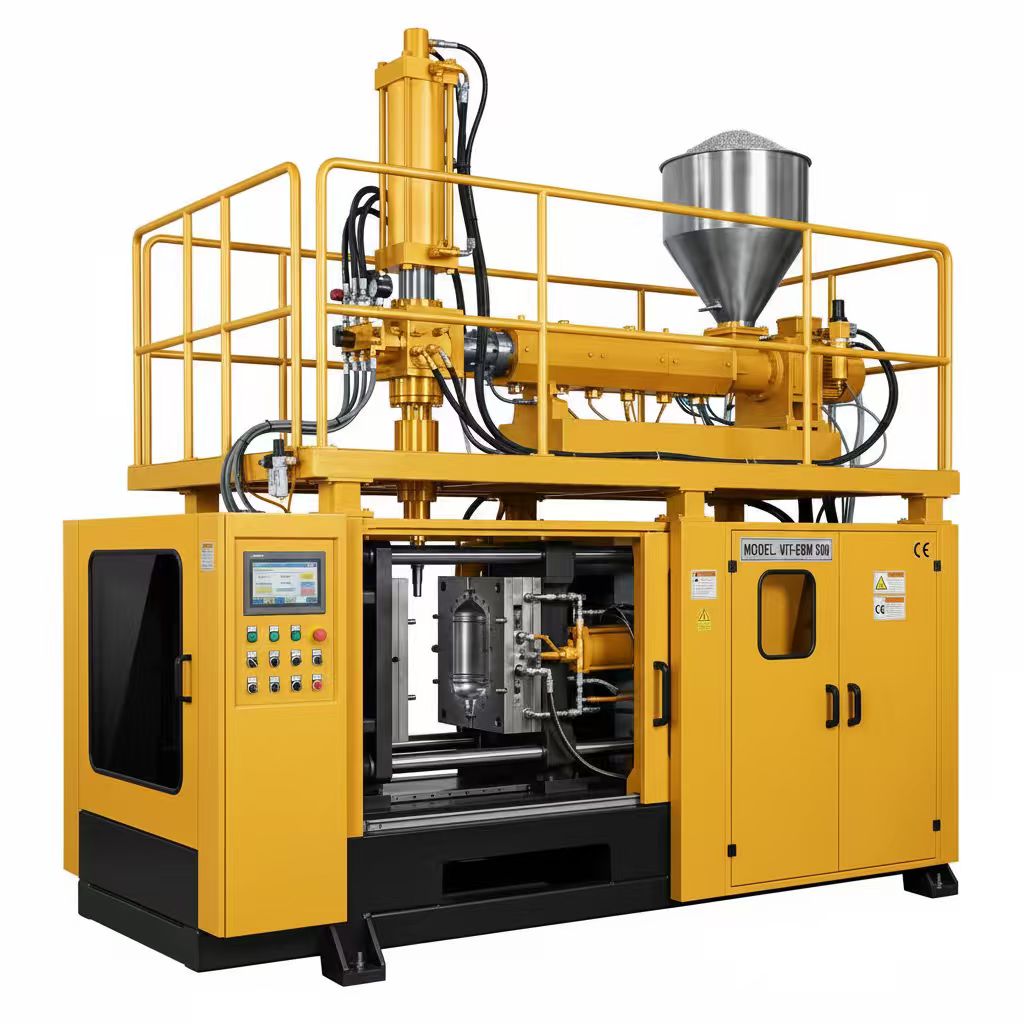
The reciprocating screw is a core element in extrusion and injection blow molding machines. Its primary function is to melt, homogenize, and convey plastic resin to the mold, ensuring consistent quality and efficiency. Unlike traditional fixed screws, the reciprocating screw moves axially within the barrel, allowing for precise control over shot size, melt quality, and cycle times.
In the context of lightweighting, the reciprocating screw offers unique advantages. By optimizing the plasticizing and injection process, it enables manufacturers to produce thinner, lighter parts without compromising strength or durability. This capability is especially crucial in industries such as packaging, automotive, and consumer goods, where reducing material usage directly translates to cost savings and environmental benefits.
The Role of Maiwei in Advancing Reciprocating Screw Technology
As a renowned blowing machine manufacturer, Maiwei has invested heavily in research and development to refine reciprocating screw design and performance. Our machines are engineered for maximum efficiency, reliability, and adaptability, making them ideal for lightweighting applications. By leveraging advanced materials, precision machining, and intelligent control systems, Maiwei ensures that every machine delivers optimal results for our clients.
Material Savings: The Core Benefit of Lightweighting
Material savings is the most tangible and immediate benefit of lightweighting initiatives. By reducing the amount of resin required for each product, manufacturers can significantly lower production costs, decrease waste, and enhance their environmental profile. The reciprocating screw plays a pivotal role in this process by enabling precise control over wall thickness, shot size, and material distribution.
Maiwei’s blow molding machines are designed to maximize material savings through several key features:
- Precision Melt Control: Advanced reciprocating screw design ensures uniform melt consistency, allowing for thinner walls without compromising quality.
- Accurate Shot Size: The axial movement of the screw enables precise dosing, reducing overfilling and material waste.
- Optimized Cycle Times: Efficient screw operation shortens cycle times, further minimizing energy consumption and resin exposure.
- Enhanced Process Monitoring: Integrated sensors and controls provide real-time feedback, enabling continuous optimization for material savings.
Case Study: Material Savings in Action
A leading packaging manufacturer partnered with Maiwei to upgrade their blow molding line with state-of-the-art reciprocating screw technology. The result was a 15% reduction in material usage per unit, translating to substantial annual cost savings and a significant decrease in carbon emissions. This success story underscores the transformative potential of reciprocating screw-driven lightweighting.
Industry Applications: From Packaging to Automotive
The benefits of reciprocating screw technology for lightweighting extend across a wide range of industries:
- Packaging: Bottles, containers, and closures produced with thinner walls reduce shipping weight and material costs.
- Automotive: Lightweight plastic components contribute to overall vehicle weight reduction, improving fuel efficiency and lowering emissions.
- Consumer Goods: Durable, lightweight products enhance user experience and reduce shipping expenses.
- Medical: Precision-molded, lightweight parts support single-use applications and regulatory compliance.
Maiwei’s machines are tailored to meet the unique demands of each sector, providing customizable solutions that maximize material savings and product performance.
Integration with PET Blowing Machine Technology
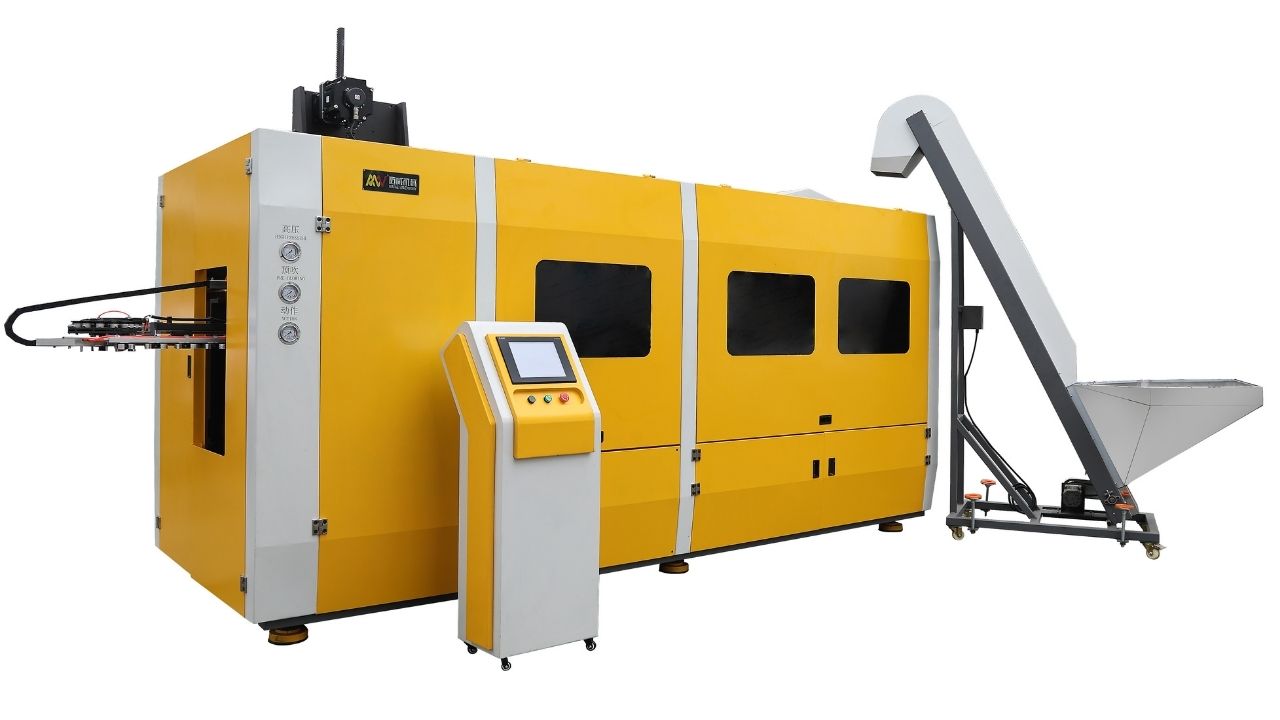
In the fast-growing PET (polyethylene terephthalate) bottle market, reciprocating screw technology is essential for achieving lightweight yet robust containers. Maiwei’s PET blowing machines incorporate advanced reciprocating screws, ensuring consistent preform quality and enabling significant material reductions without sacrificing strength or clarity. As a trusted PET blowing machine manufacturer, Maiwei remains at the forefront of this dynamic field.
Challenges and Solutions in Lightweighting
While the benefits of lightweighting are clear, the process presents several technical challenges:
- Maintaining Mechanical Properties: Reducing material usage must not compromise product strength, impact resistance, or barrier properties.
- Process Stability: Thinner walls require precise control over temperature, pressure, and cooling to prevent defects such as warping or blowouts.
- Material Selection: Not all resins are suitable for extreme lightweighting; careful formulation and testing are essential.
Maiwei addresses these challenges through continuous innovation. Our reciprocating screw technology is engineered to deliver stable, repeatable results, even with demanding lightweighting targets. Advanced simulation tools and process analytics help our clients optimize every aspect of production, from resin selection to mold design.
Table 1: Key Features of Maiwei Reciprocating Screw Blowing Machines
| Feature | Benefit |
|---|---|
| Precision Melt Homogenization | Enables thinner walls and consistent quality |
| Intelligent Shot Control | Minimizes material waste and overfilling |
| High-Efficiency Cooling | Reduces cycle times and energy consumption |
| Customizable Screw Designs | Adapts to various resins and product requirements |
| Integrated Process Monitoring | Ensures real-time optimization for material savings |
Future Trends: The Evolution of Lightweighting and Reciprocating Screws
The future of lightweighting in plastics manufacturing is bright, with ongoing advancements in materials science, machine design, and process integration. Maiwei is committed to leading this evolution, investing in next-generation reciprocating screw technology that leverages AI, IoT connectivity, and sustainable engineering principles.
Emerging trends include:
- Bio-based and Recycled Resins: Expanding the range of materials suitable for lightweighting while reducing environmental impact.
- Smart Manufacturing: Integrating data analytics and automation for continuous process improvement and material savings.
- Modular Machine Platforms: Enabling rapid adaptation to new product designs and market demands.
Conclusion: Partnering with Maiwei for Sustainable Success
Lightweighting is more than a trend—it’s a strategic imperative for manufacturers seeking to reduce costs, minimize environmental impact, and stay competitive. The reciprocating screw is a key enabler of this transformation, and Maiwei’s expertise as a blowing machine manufacturer ensures that our clients are equipped with the best technology for the job.
Whether you’re producing PET bottles, automotive components, or consumer goods, Maiwei’s innovative solutions deliver proven material savings and superior product quality. Contact us today to learn how our reciprocating screw technology can help you achieve your lightweighting goals and build a more sustainable future.