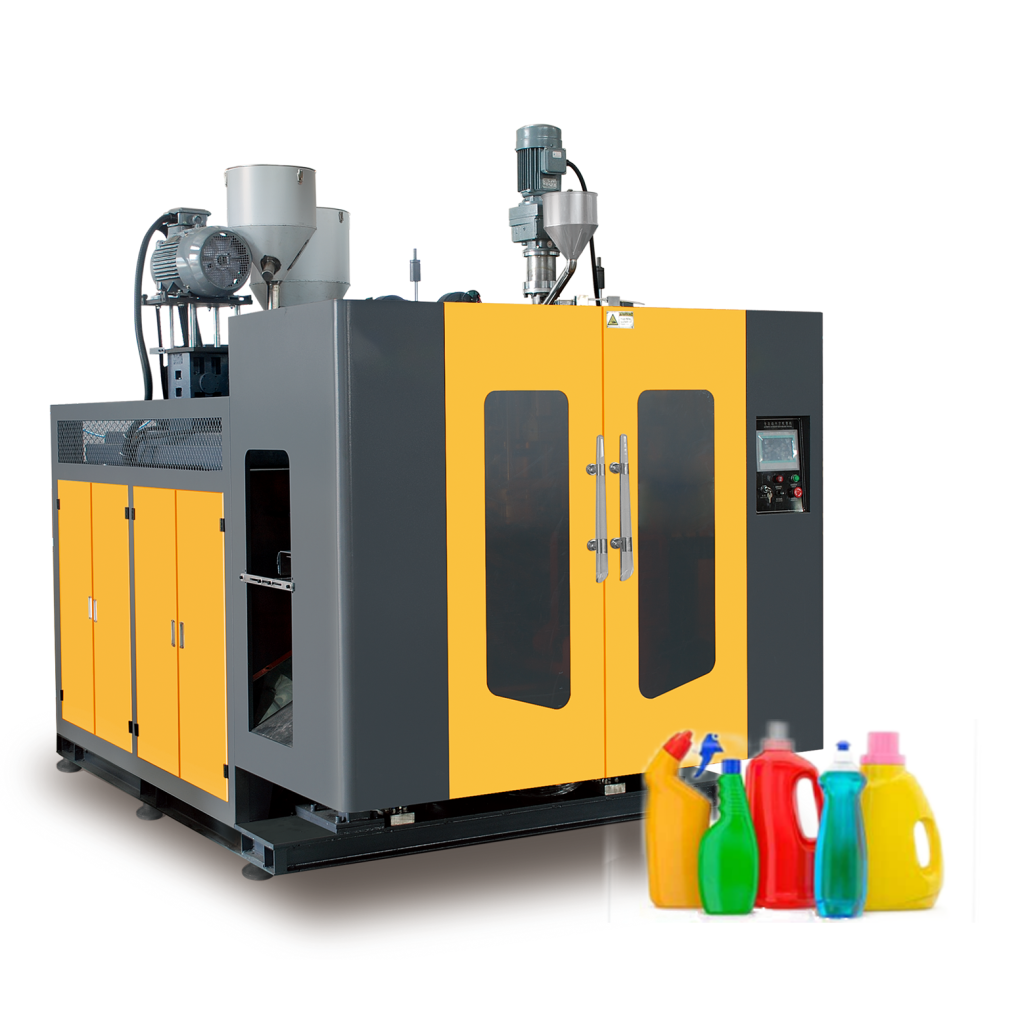
Introduction: Navigating the Complexities of Reciprocating Screw Molding
Reciprocating screw molding is a cornerstone technology in modern plastics manufacturing, especially in the production of high-quality containers and bottles. At Maiwei, a renowned blowing machine manufacturer, we continuously strive to innovate and optimize molding processes for our global clientele. However, even with advanced machinery and expert teams, certain challenges persist in reciprocating screw molding. Understanding these challenges is vital for manufacturers seeking to enhance efficiency, product quality, and operational reliability.
What is Reciprocating Screw Molding?
Reciprocating screw molding is a process where a screw moves back and forth within a barrel to melt, mix, and inject plastic material into a mold. This technology is widely used in injection molding machines and extrusion blow molding machines. Its versatility and precision make it a popular choice for producing a wide range of plastic products, from bottles to automotive components.
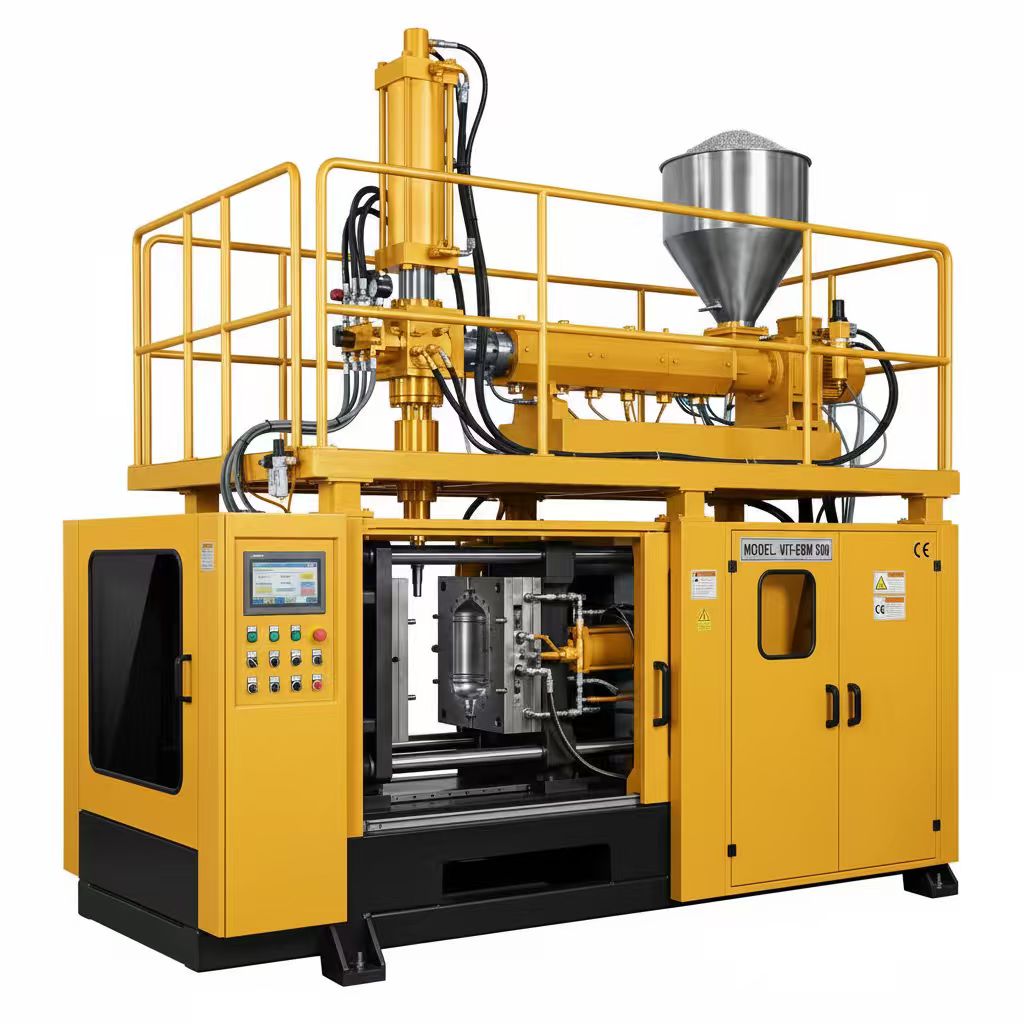
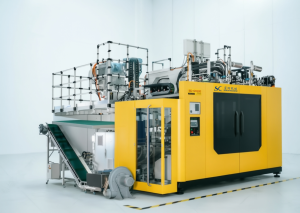
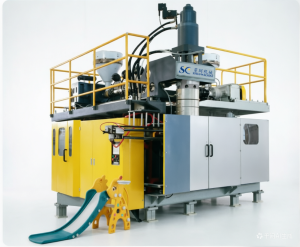
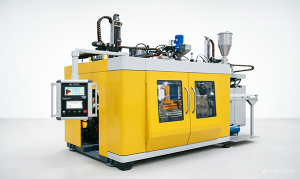
As a leading blowing machine manufacturer, Maiwei has extensive experience with reciprocating screw technology, integrating it into our latest extrusion blow molding machines to deliver consistent quality and high productivity.
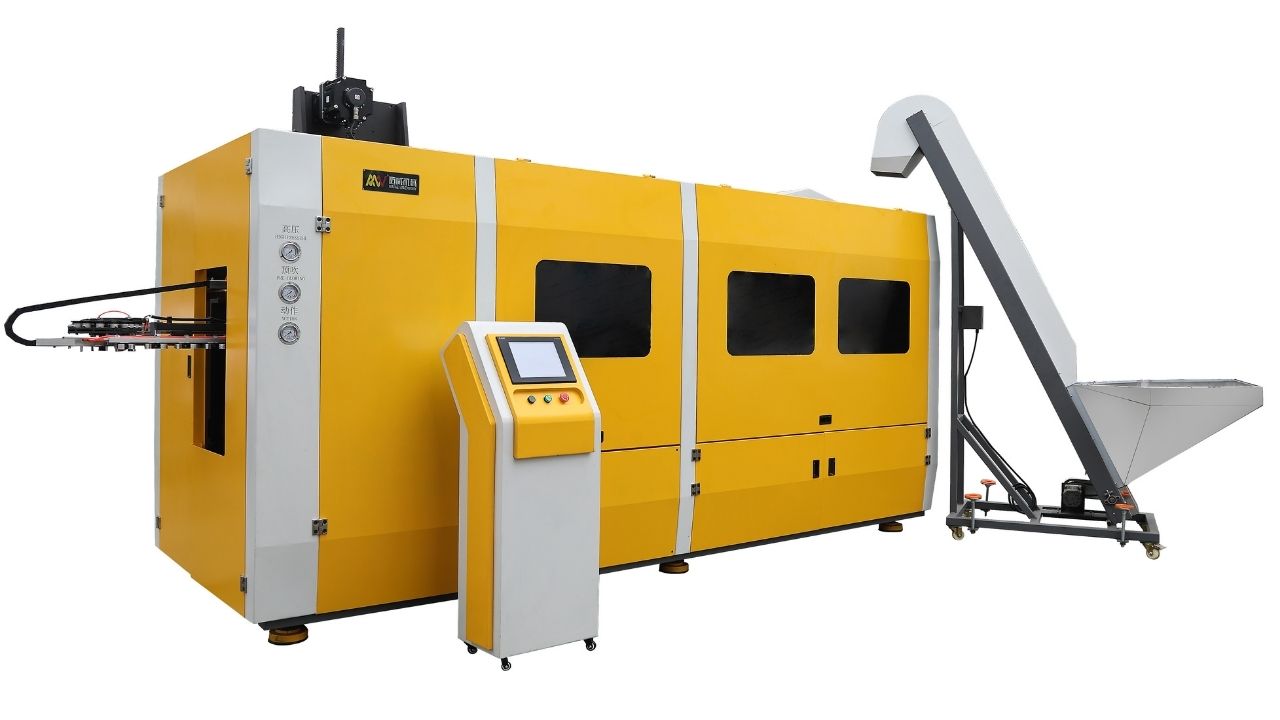
Top 5 Challenges in Reciprocating Screw Molding
1. Material Degradation and Thermal Control
One of the most critical challenges in reciprocating screw molding is managing the temperature profile along the barrel. Inadequate thermal control can lead to polymer degradation, resulting in discoloration, poor mechanical properties, and increased scrap rates. The screw must provide sufficient shear to melt the material uniformly without causing excessive heat buildup.
Maiwei’s advanced blowing machines are equipped with precise temperature control systems, but operators must remain vigilant. Regular monitoring and calibration are essential to prevent hot spots or cold zones that can compromise product quality.
2. Screw Wear and Maintenance
The reciprocating motion and high pressures involved in molding put significant stress on the screw and barrel. Over time, abrasive fillers, glass fibers, and even certain polymers can erode the screw surface, leading to increased clearances and reduced mixing efficiency.
At Maiwei, we recommend regular inspection and timely replacement of wear components. Investing in high-quality, wear-resistant screw materials can extend service life and reduce downtime. Additionally, our blowing machines are designed for easy maintenance, minimizing production interruptions.
3. Inconsistent Shot Size and Product Weight
Consistent shot size is crucial for producing uniform products, especially in precision applications like medical containers or automotive parts. Fluctuations in shot size can stem from variations in back pressure, screw speed, or material viscosity.
Maiwei’s blowing machines utilize advanced servo control systems to maintain stable shot sizes, but operators must also ensure that raw material properties are consistent and that machine settings are optimized for each production run. Implementing real-time monitoring and feedback can further enhance consistency.
4. Cycle Time Optimization
Reducing cycle time is a constant goal in reciprocating screw molding, as it directly impacts productivity and profitability. However, pushing for shorter cycles can introduce defects such as incomplete filling, poor weld lines, or excessive residual stresses.
Maiwei’s engineering team works closely with clients to find the optimal balance between speed and quality. By leveraging simulation software and process analytics, we help manufacturers identify bottlenecks and fine-tune parameters for maximum efficiency without sacrificing product integrity.
5. Energy Efficiency and Sustainability
Energy consumption is a growing concern in plastics manufacturing, both from a cost and environmental perspective. Reciprocating screw molding can be energy-intensive, especially when processing high-melting-point materials or running large machines.
As a responsible blowing machine manufacturer, Maiwei invests in energy-saving technologies such as variable frequency drives, efficient heating systems, and advanced insulation. We also promote the use of recycled materials and sustainable practices throughout the production process, aligning with global trends towards greener manufacturing.
Emerging Technologies and Industry Trends
The landscape of reciprocating screw molding is evolving rapidly, with new materials, automation, and digitalization reshaping the industry. For example, the integration of extrusion blow molding machine technology with Industry 4.0 principles allows for real-time monitoring, predictive maintenance, and adaptive process control.
Maiwei’s latest extrusion blow molding machines are equipped with smart sensors and IoT connectivity, enabling manufacturers to track performance metrics, optimize energy usage, and ensure consistent product quality. These advancements not only address traditional challenges but also open new opportunities for innovation and competitiveness.
Best Practices for Overcoming Reciprocating Screw Molding Challenges
- Regular Maintenance: Schedule routine inspections and replace worn components promptly to prevent unexpected breakdowns.
- Process Optimization: Use data-driven approaches and simulation tools to fine-tune process parameters for each material and product.
- Operator Training: Ensure that machine operators are well-trained in both machine operation and troubleshooting techniques.
- Material Quality Control: Source high-quality raw materials and monitor their properties to minimize variability in the molding process.
- Invest in Technology: Upgrade to modern, energy-efficient blowing machines with advanced control systems to stay competitive and sustainable.
Conclusion: Partnering with Maiwei for Success
Reciprocating screw molding is a powerful technology, but it comes with its own set of challenges. By understanding and addressing issues such as material degradation, screw wear, shot consistency, cycle time, and energy efficiency, manufacturers can achieve higher productivity and product quality.
As a trusted blowing machine manufacturer and innovator in extrusion blow molding machine solutions, Maiwei is committed to supporting our clients with cutting-edge technology, expert guidance, and comprehensive after-sales service. Whether you are upgrading your existing production line or launching a new project, Maiwei is your partner for reliable, efficient, and sustainable reciprocating screw molding.
Contact us today to learn more about our latest blowing machines and how we can help you overcome the top challenges in reciprocating screw molding.
Tags:Bottle Blowing Machine service,Stretch Blow Moulding price,Extrusion Blow Machine factory