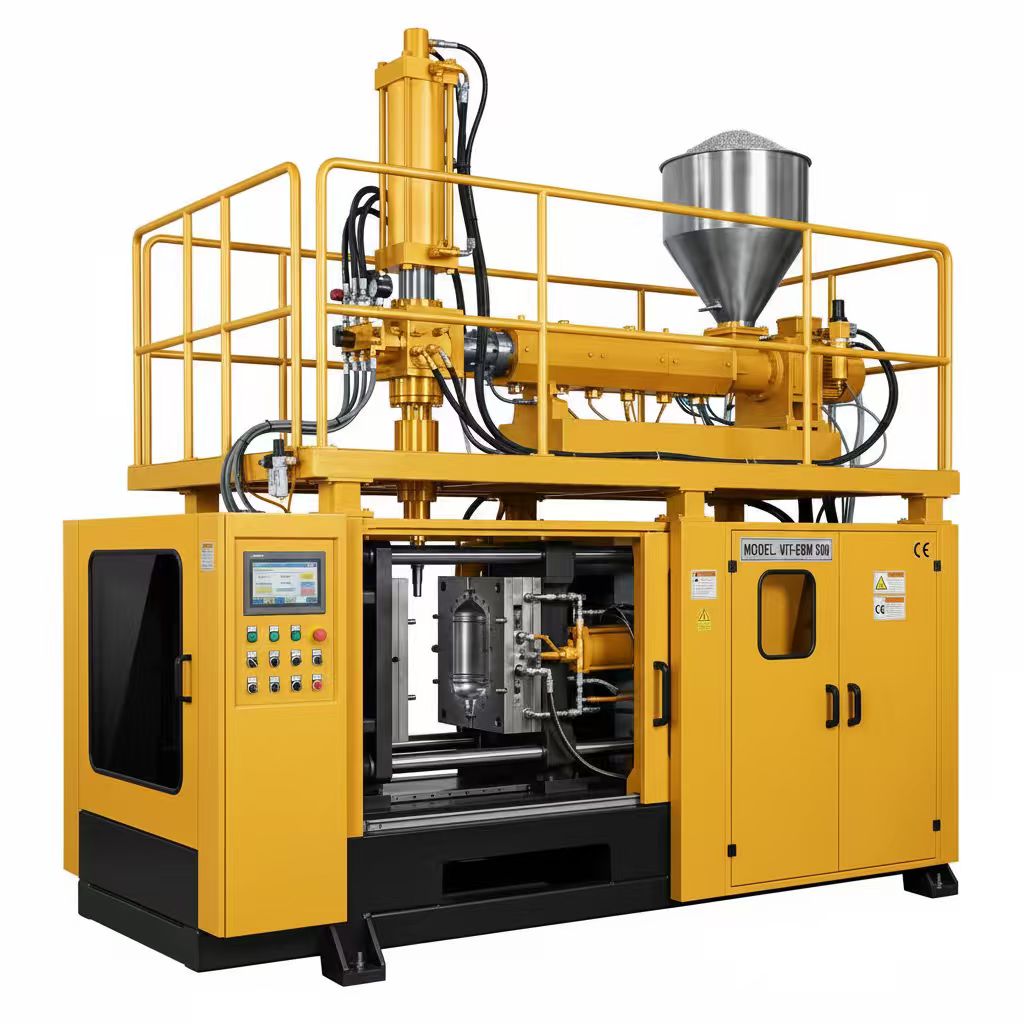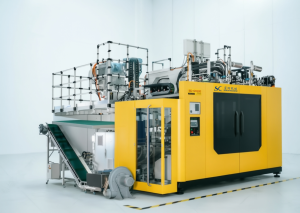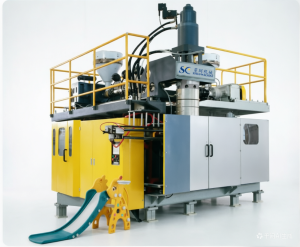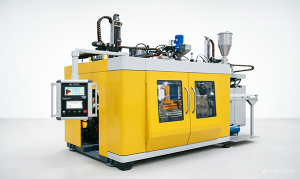
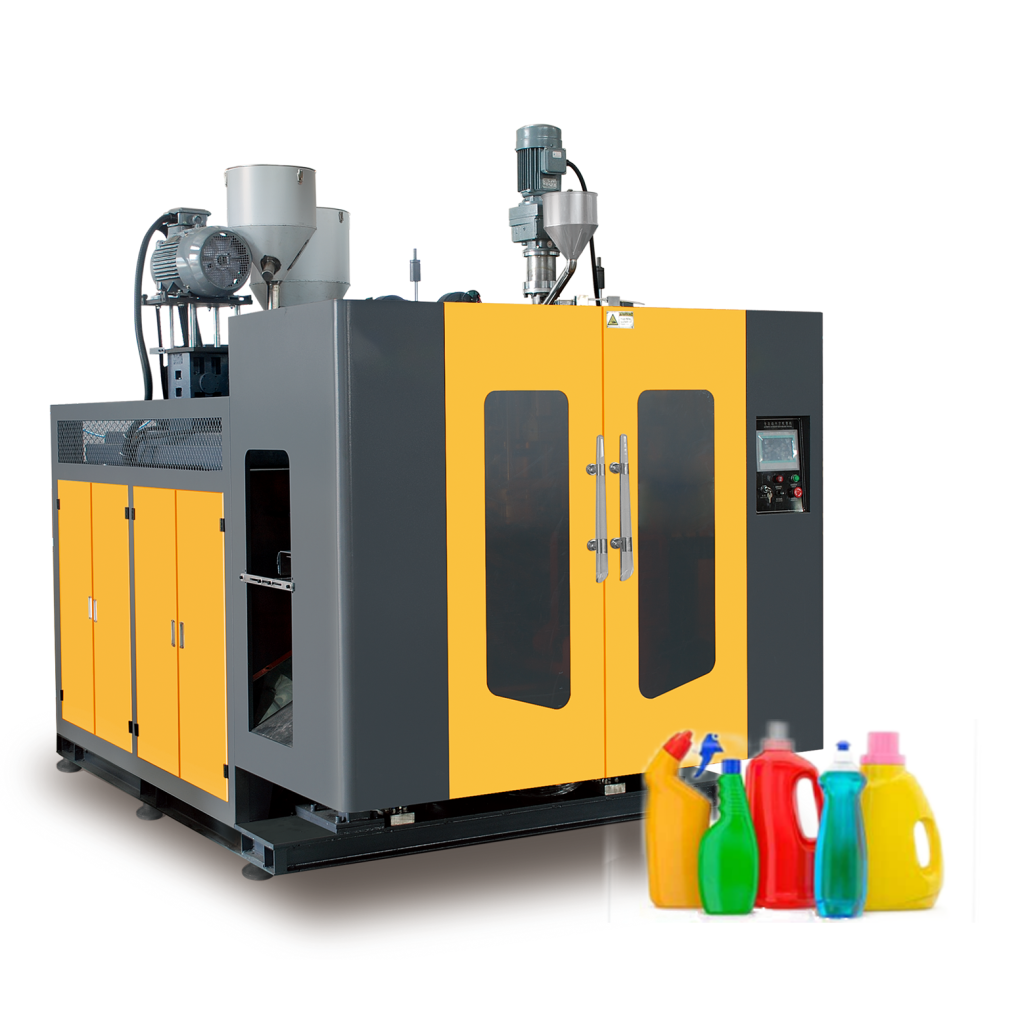
Bottle blow molding machines are the backbone of modern packaging industries, especially for beverage, pharmaceutical, and cosmetic sectors. As a leading Blowing Machine Manufacturer, Maiwei has been at the forefront of delivering innovative solutions and high-performance machinery. One critical aspect that often determines the efficiency and output quality of these machines is calibration. In this article, we will explore how calibration impacts bottle blow molding machine performance, delve into best practices, and touch upon related keywords such as automatic bottle blowing machine and plastic Bottle Making Machine.
Understanding Calibration in Bottle Blow Molding Machines
Calibration refers to the process of adjusting and fine-tuning the operational parameters of a bottle blow molding machine to ensure optimal performance. This includes settings for temperature, pressure, timing, and mold alignment. Proper calibration ensures that the machine consistently produces bottles of the desired shape, weight, and wall thickness, minimizing defects and maximizing efficiency.
At Maiwei, calibration is considered a fundamental procedure, not just a routine maintenance task. It directly affects the reliability, productivity, and quality of the finished product. Whether you are using an automatic bottle blowing machine or a semi-automatic model, calibration remains equally crucial.
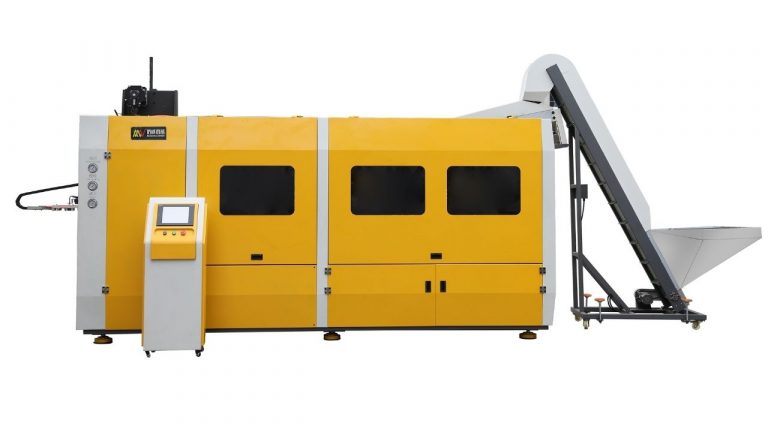
Why Calibration Matters: Key Benefits
- Improved Product Consistency: Regular calibration ensures that each bottle meets strict dimensional and quality standards. This is especially important for industries with stringent regulatory requirements.
- Reduced Material Waste: Incorrect settings can lead to excessive material usage or defective bottles. Proper calibration minimizes waste, saving costs and supporting sustainability goals.
- Enhanced Machine Lifespan: Machines that operate within calibrated parameters experience less wear and tear, leading to fewer breakdowns and longer service life.
- Higher Throughput: Optimized settings allow for faster cycle times and increased output, crucial for meeting high-volume demands.
Calibration Steps for Optimal Performance
As a trusted Blowing Machine Manufacturer, Maiwei recommends a systematic approach to calibration. Below is a simplified table outlining the key steps involved:
| Step | Description | Impact |
|---|---|---|
| 1. Initial Assessment | Inspect machine components and review previous settings | Identifies wear, damage, or misalignment |
| 2. Temperature Calibration | Set and verify heating zones for preform and mold | Ensures proper plasticization and bottle clarity |
| 3. Pressure Calibration | Adjust air pressure for blowing and stretching | Achieves desired bottle shape and strength |
| 4. Timing Adjustment | Fine-tune cycle times for each stage | Optimizes throughput and reduces defects |
| 5. Mold Alignment | Check and correct mold positioning | Prevents leaks and ensures uniform wall thickness |
Challenges in Calibration
Despite its importance, calibration can be challenging. Factors such as changing ambient temperatures, raw material variations, and machine wear can affect settings. Operators must be trained to recognize these variables and adjust accordingly. Maiwei invests in operator training and advanced monitoring systems to support consistent calibration.
Role of Automation in Calibration
The rise of automatic bottle blowing machines has revolutionized the calibration process. These machines often feature integrated sensors and control systems that automatically adjust parameters in real-time. This reduces human error and further enhances consistency. Maiwei’s latest models utilize AI-driven calibration modules, enabling predictive adjustments and minimizing downtime.
Calibration and Plastic Bottle Making Machines
Calibration is equally vital for plastic bottle making machines. These machines, which may include injection molding and stretch blow molding units, rely on precise settings to handle different polymers and bottle designs. For example, PET and HDPE have distinct melting points and stretch ratios, requiring tailored calibration for each production run.
Maiwei’s engineering team collaborates closely with clients to customize calibration protocols based on material specifications and bottle geometry. This ensures that every plastic bottle making machine delivers optimal results, regardless of batch size or complexity.
Best Practices for Calibration
- Regular Calibration Schedule: Establish routine calibration intervals based on production volume and machine usage.
- Documentation: Maintain detailed records of calibration settings and adjustments for traceability and troubleshooting.
- Operator Training: Invest in ongoing training to keep staff updated on calibration techniques and machine advancements.
- Use of Advanced Tools: Employ digital gauges, sensors, and software for precise measurements and adjustments.
- Feedback Loops: Implement systems for real-time feedback and automatic correction of deviations.
Maiwei’s Commitment to Quality and Innovation
As a renowned Blowing Machine Manufacturer, Maiwei is committed to pushing the boundaries of technology and quality. Our machines are designed with calibration in mind, featuring easy-access controls, intuitive interfaces, and robust construction. We understand that calibration is not a one-time event but an ongoing process that underpins every successful bottle production line.
Clients who invest in automatic bottle blowing machines or plastic bottle making machines from Maiwei benefit from our comprehensive support services, including installation, calibration assistance, and after-sales maintenance. This holistic approach ensures that every machine operates at peak performance, delivering consistent, high-quality bottles with minimal downtime.
Case Study: Calibration Success with Maiwei
One of Maiwei’s clients in the beverage industry recently upgraded to a fully automatic bottle blowing machine. After implementing a rigorous calibration protocol, the client reported a 15% reduction in material waste and a 20% increase in production speed. The improved consistency also led to fewer customer complaints and enhanced brand reputation.
Such results underscore the importance of calibration and the value of partnering with an experienced Blowing Machine Manufacturer like Maiwei.
Conclusion
Calibration is a critical factor that directly influences the performance, efficiency, and output quality of bottle blow molding machines. Whether you operate a large-scale automatic bottle blowing machine or a specialized plastic bottle making machine, regular and precise calibration is key to achieving optimal results. Maiwei stands ready to support manufacturers with cutting-edge technology, expert guidance, and unwavering commitment to quality.
For more information on calibration best practices, machine upgrades, or to explore Maiwei’s latest solutions, contact our team today and take your bottle production to the next level.
Tags:Plastic Blowing Machine service,PET Blowing Machine manufacturer,Bottle Making Machine service