Introduction to Modern Bottle Making Machines
The global packaging industry has seen remarkable advancements over the past few decades, with bottle making machines playing a pivotal role in shaping the way products are stored, transported, and consumed. As a renowned Blowing Machine manufacturer, Maiwei has been at the forefront of these technological innovations, delivering efficient, reliable, and high-performance solutions to businesses worldwide.
This article delves into the intricate mechanics behind bottle making machines, exploring how they transform raw materials into perfectly shaped bottles. We’ll also touch upon two essential keywords in the industry: plastic bottle manufacturing and energy efficiency, highlighting their significance in today’s competitive market.
The Evolution of Bottle Making Technology
Bottle manufacturing has evolved from manual glass blowing to sophisticated, automated machinery capable of producing thousands of bottles per hour. Maiwei has embraced these changes, continually upgrading its blowing machine lines to meet the demands of modern production.
- Transition from glass to plastic bottles
- Introduction of PET (Polyethylene Terephthalate) material
- Automation and smart controls for precision
The adoption of plastic bottle manufacturing has revolutionized the industry, offering lightweight, durable, and cost-effective packaging solutions.
Types of Bottle Making Machines
There are primarily two types of machines used in the industry:
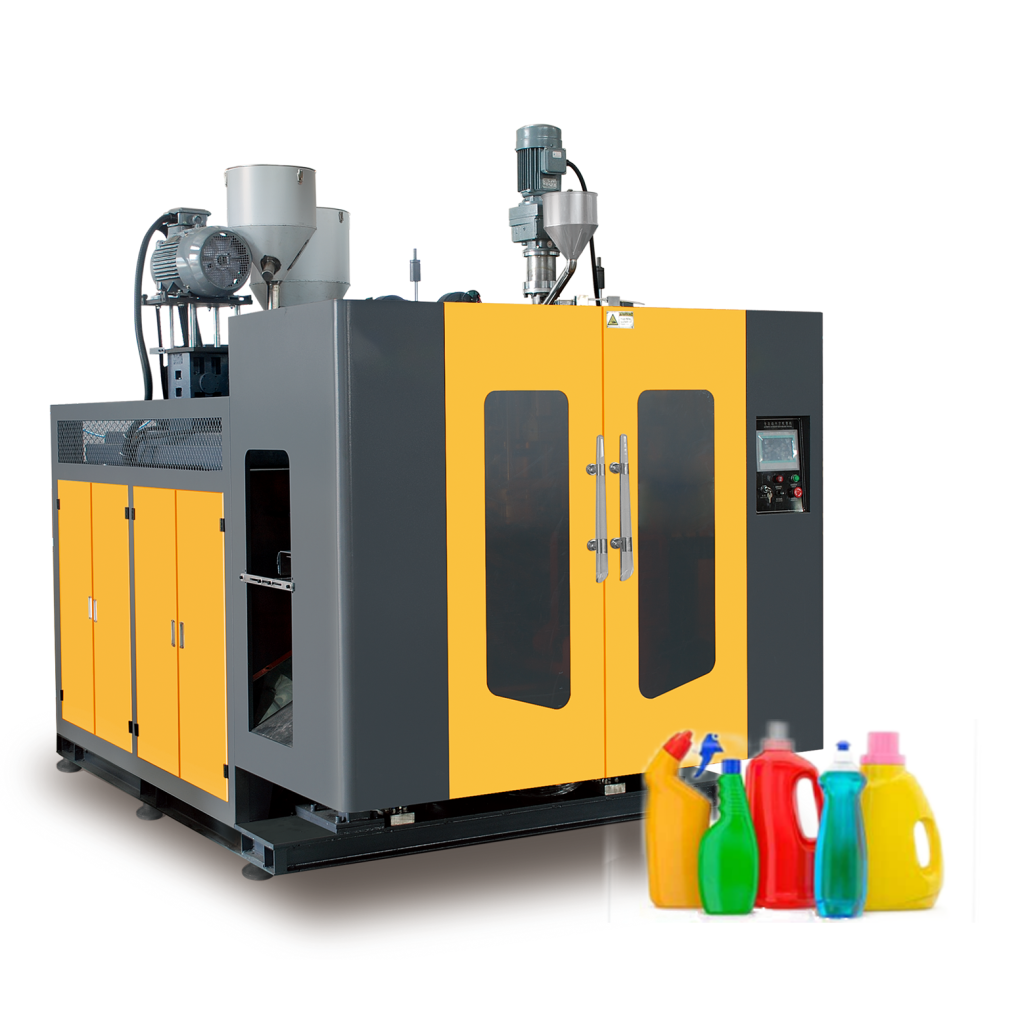
- Extrusion Blow Molding Machines: Suitable for producing hollow plastic bottles with complex shapes.
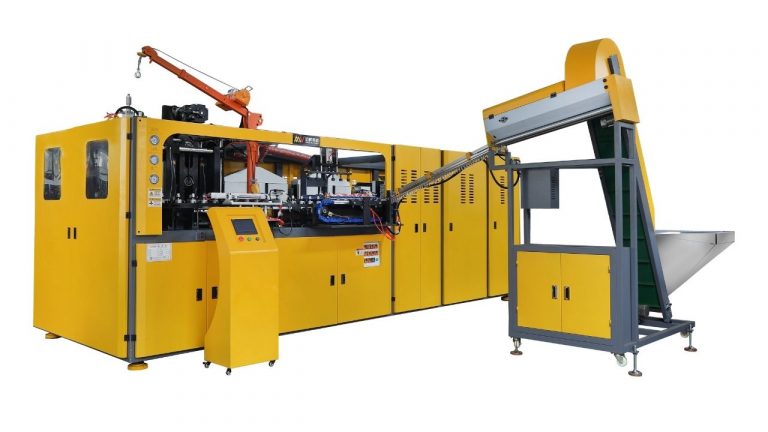
- Injection Stretch Blow Molding Machines: Ideal for high-clarity PET bottles, often used for beverages and pharmaceuticals.
As a leading Blowing Machine Manufacturer, Maiwei offers both types, ensuring clients receive tailored solutions for their specific applications.
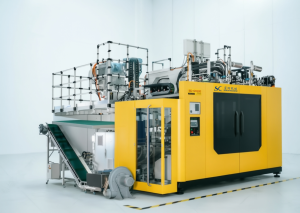
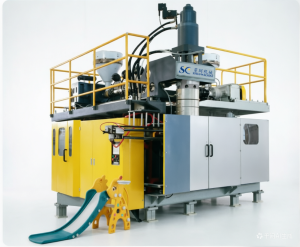
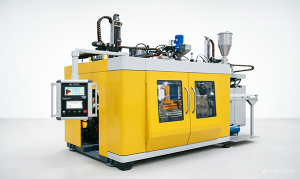
The Mechanics Behind Blowing Machines
Step-by-Step Process
Understanding the mechanics of bottle making machines helps in appreciating their efficiency and precision. Here’s a simplified breakdown of the process:
- Raw Material Feeding: PET granules are fed into the hopper and melted in the extruder.
- Preform Injection: The molten PET is injected into a mold to form a preform, which resembles a test tube.
- Heating: The preforms are reheated to the optimal temperature for stretching and blowing.
- Stretch Blow Molding: The preform is placed into a bottle-shaped mold. A metal rod stretches the preform vertically, while high-pressure air is blown inside, forcing the PET against the mold walls.
- Cooling and Ejection: The newly formed bottle is cooled and ejected from the mold, ready for trimming and packaging.
Maiwei’s machines are designed for seamless integration of these steps, minimizing downtime and maximizing throughput.
Key Components of a Blowing Machine
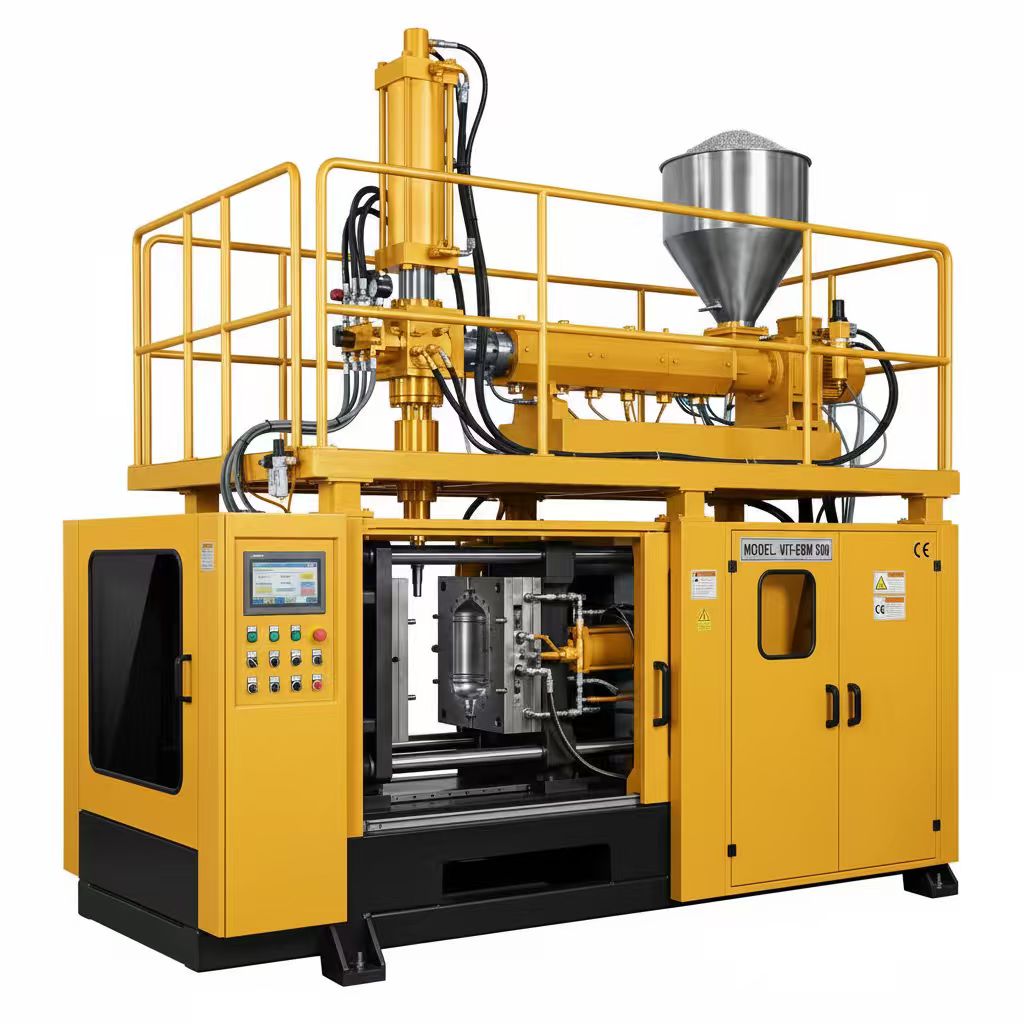
| Component | Function |
|---|---|
| Extruder | Melts and conveys raw PET material |
| Mold | Shapes the bottle according to specifications |
| Heating System | Ensures uniform temperature for optimal stretching |
| Control Panel | Automates and monitors the entire process |
Innovation & Energy Efficiency in Bottle Making
In the age of sustainability, energy efficiency is a critical consideration for manufacturers. Maiwei’s latest blowing machines are engineered to reduce energy consumption without compromising on output quality.
- Advanced heating systems with targeted infrared lamps
- Servo motor-driven mechanisms for reduced power usage
- Optimized air recovery systems to minimize compressed air wastage
These innovations not only lower operational costs but also contribute to a greener manufacturing process, aligning with global environmental goals.
Quality Control and Automation
Maiwei integrates smart sensors and automated controls in its machines, ensuring consistent bottle quality and reducing the need for manual intervention. Automated inspection systems detect defects in real-time, allowing for immediate corrective action.
This high level of automation is particularly beneficial in plastic bottle manufacturing, where precision and consistency are paramount.
Applications of Maiwei’s Blowing Machines
The versatility of Maiwei’s bottle making machines makes them suitable for a wide range of industries. Some common applications include:
- Beverage bottles (water, juices, carbonated drinks)
- Pharmaceutical containers
- Cosmetic packaging
- Household and cleaning product bottles
- Industrial chemical containers
With customizable mold designs and adaptable machine configurations, Maiwei ensures that clients across sectors receive the most effective solution for their packaging needs.
Case Study: Boosting Production with Maiwei
A leading beverage company recently upgraded its production line by installing Maiwei’s latest blowing machines. The result was a 30% increase in output and a 20% reduction in energy costs, thanks to the machine’s advanced energy efficiency features and streamlined automation.
Maintenance and Support: Ensuring Longevity
Proper maintenance is essential for maximizing the lifespan and performance of bottle making machines. Maiwei provides comprehensive after-sales support, including:
- Regular maintenance schedules
- Spare parts supply
- Technical training for operators
- Remote diagnostics and troubleshooting
This commitment to customer service ensures that clients experience minimal downtime and consistently high-quality production.
Conclusion: The Future of Bottle Making with Maiwei
The mechanics behind bottle making machines are a testament to human ingenuity, blending material science, mechanical engineering, and automation. As a trusted Blowing Machine Manufacturer, Maiwei continues to set industry benchmarks with its innovative, energy-efficient, and reliable solutions.
Whether you’re looking to enhance your plastic bottle manufacturing capabilities or reduce your environmental footprint through energy efficiency, Maiwei’s state-of-the-art blowing machines are engineered to meet your needs—today and in the future.
For more information on how Maiwei can transform your bottle production process, reach out to their expert team and discover the next generation of packaging technology.