Introduction to Dairy Bottle Manufacturing
Dairy products are a staple in households worldwide, and the packaging plays a crucial role in ensuring their freshness, safety, and convenience. As a leading Blowing Machine Manufacturer, Maiwei is at the forefront of providing innovative solutions for dairy bottle production. Among the various techniques available, extrusion blow molding stands out for its efficiency and versatility. In this article, we will explore the intricacies of material selection for extrusion blow molding in dairy bottles, the latest trends in the industry, and how Maiwei’s advanced Plastic Bottle Making Machine and Bottle Blowing Machine technologies are shaping the future of dairy packaging.
Understanding Extrusion Blow Molding
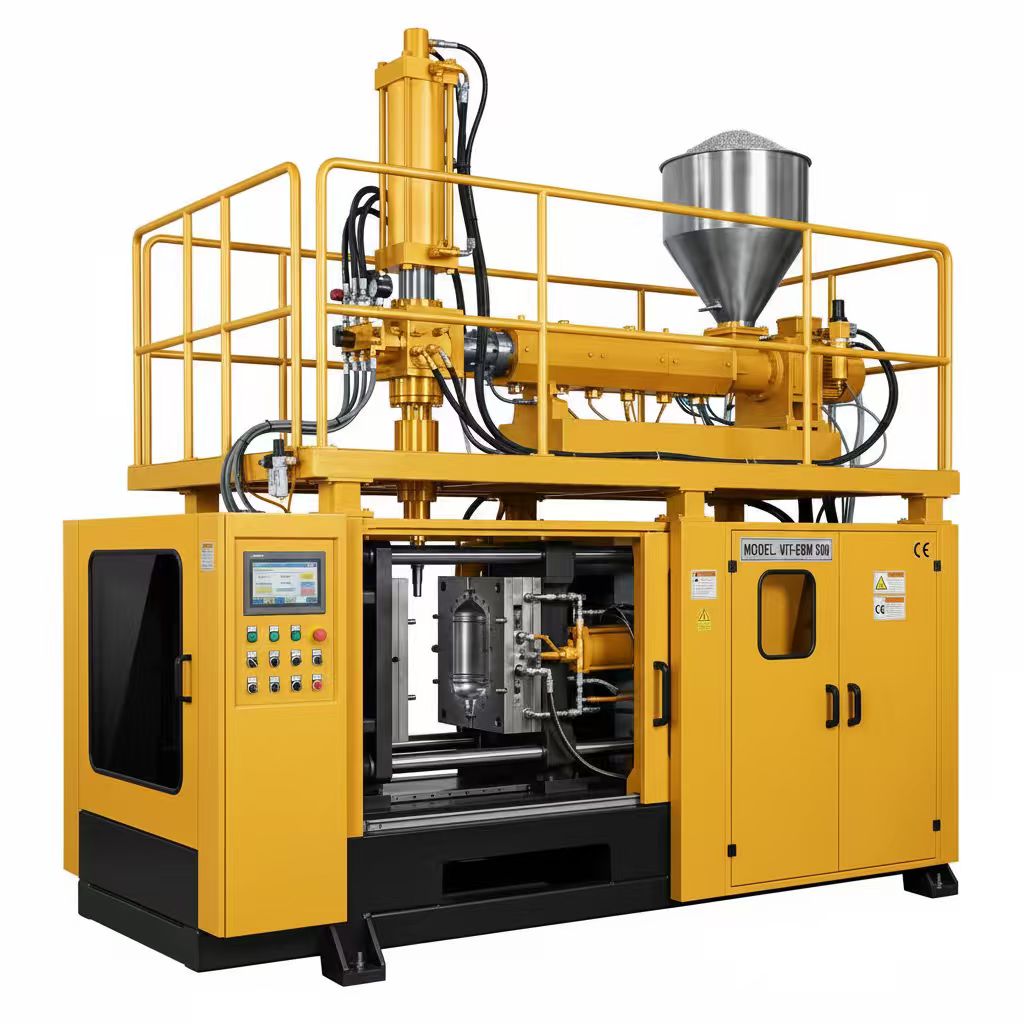
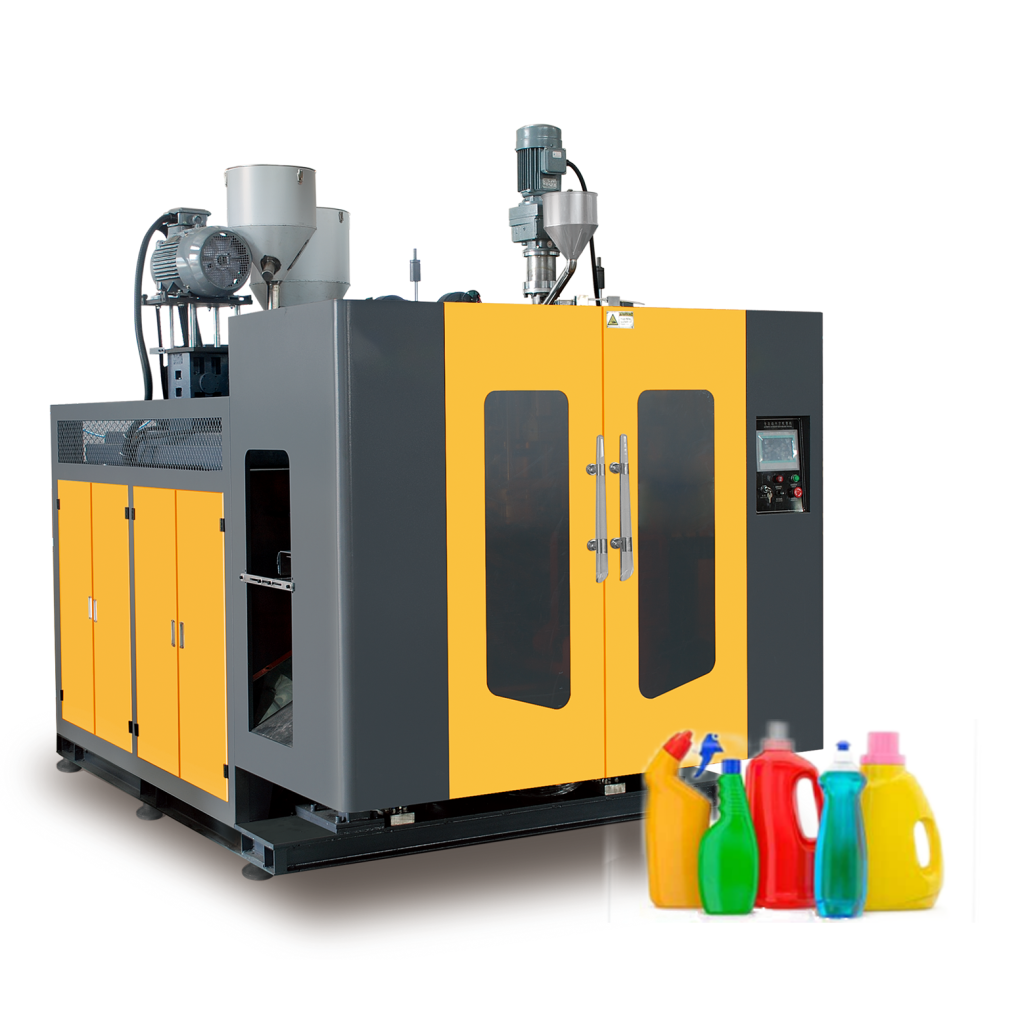
Extrusion blow molding is a widely used manufacturing process for producing hollow plastic bottles, particularly in the dairy industry. The process involves melting plastic resin and extruding it into a parison (a hollow tube), which is then captured in a mold and inflated to form the final bottle shape. This method is ideal for high-volume production and offers flexibility in bottle design, size, and material choice.
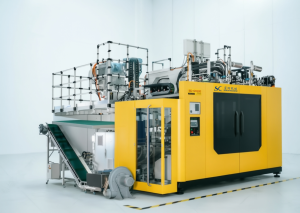
plastic blowing machine
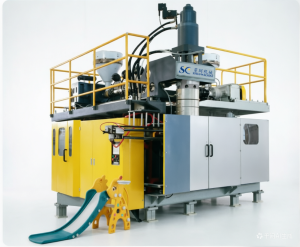
pet blow moulding machine
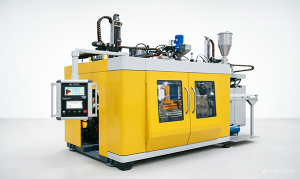
water bottle making machine
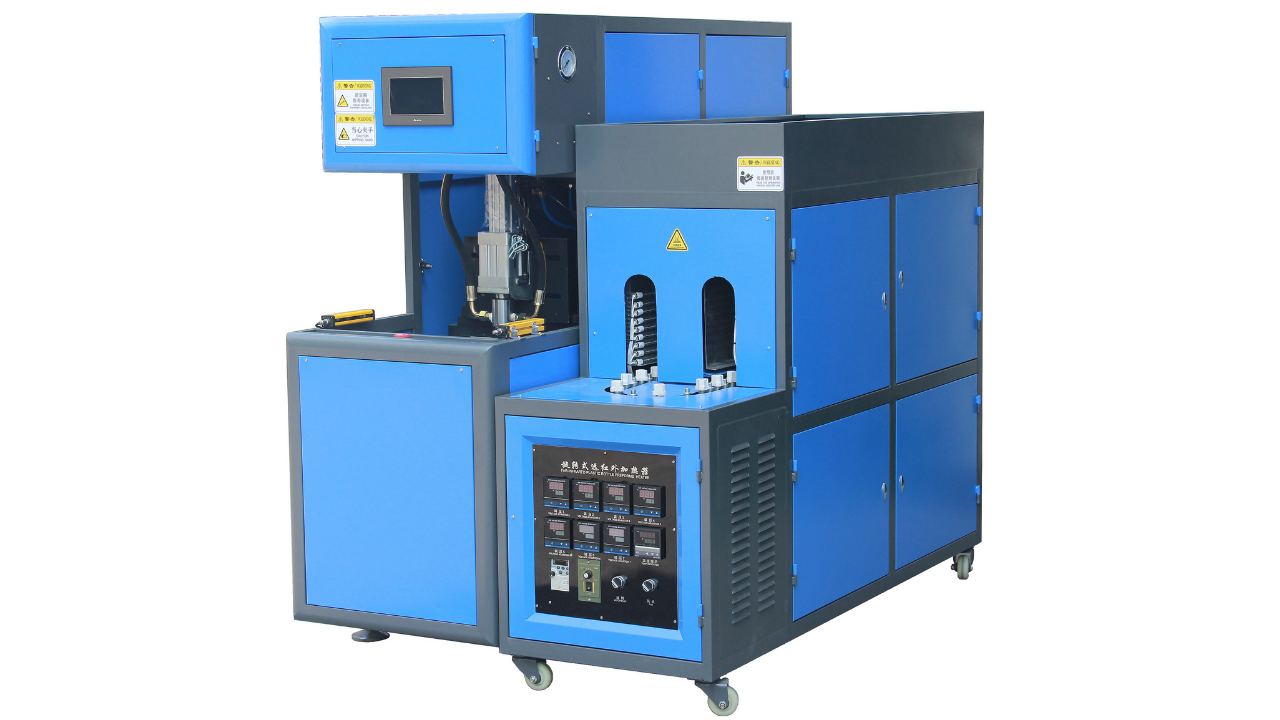
Maiwei’s Bottle Blowing Machine lineup offers state-of-the-art automation, energy efficiency, and precision, ensuring consistent quality with every batch. Whether for small-scale local dairies or large-scale commercial operations, our machines are tailored to meet diverse production needs.
Key Advantages of Extrusion Blow Molding for Dairy Bottles
- High production speed and efficiency
- Cost-effective for large volumes
- Design versatility (handles, labeling areas, unique shapes)
- Ability to use multilayer structures for enhanced barrier properties
- Suitability for various plastic materials
Material Selection: The Heart of Dairy Bottle Performance
Selecting the right material is essential for dairy bottle performance, safety, and sustainability. The chosen plastic must protect the contents from light, oxygen, and contamination, while also being compatible with high-speed Plastic Bottle Making Machine operations. Let’s explore the most common materials used and their unique properties.
High-Density Polyethylene (HDPE)
HDPE is the most popular choice for dairy bottles due to its excellent chemical resistance, low permeability to moisture, and good impact strength. Its natural opacity helps protect milk from light-induced spoilage. HDPE is also recyclable, making it a sustainable option for environmentally conscious brands.
Polyethylene Terephthalate (PET)
PET is known for its clarity, strength, and excellent barrier properties against gases and moisture. While more commonly used for beverages like water and juice, PET is gaining traction in the dairy sector for products such as flavored milk and drinkable yogurts that benefit from a transparent package.
Polypropylene (PP)
PP offers high heat resistance, making it suitable for products requiring hot-filling or sterilization. It is lighter than HDPE and PET, which can lead to material cost savings and reduced transportation emissions.
Multilayer and Barrier Materials
For extended shelf life, multilayer bottles are produced using co-extrusion techniques on advanced Bottle Blowing Machines. These bottles may incorporate barrier layers such as EVOH (ethylene vinyl alcohol) to prevent oxygen ingress, or tie layers to bond different materials together. This approach is especially valuable for ultra-pasteurized and long-life dairy products.
Factors Influencing Material Choice
The decision on which material to use is influenced by several factors, each impacting the performance and economics of the final product:
- Product Type: Fresh milk, flavored milk, yogurt, and cream have different shelf life and barrier requirements.
- Shelf Life: Longer shelf life demands better barrier properties, often achieved with multilayer bottles.
- Light Sensitivity: Opaque materials like HDPE are preferred for light-sensitive products.
- Cost: Material and processing costs must align with the product’s market positioning.
- Sustainability: Recyclability and use of post-consumer recycled (PCR) content are increasingly important.
Maiwei’s Role in Material Optimization
At Maiwei, our engineering team works closely with clients to determine the ideal material and bottle design for their specific dairy application. Our Plastic Bottle Making Machine platforms are compatible with a broad range of resins and barrier materials, ensuring flexibility and future-proofing for evolving market needs.
Innovations in Dairy Bottle Manufacturing
The dairy packaging sector is rapidly evolving, with new trends influencing material selection and bottle design. Here’s how Maiwei is helping clients stay ahead:
- Lightweighting: Reducing bottle weight without compromising strength, saving costs and resources.
- Recycled Content: Integration of PCR materials into bottles, supported by our advanced extrusion and blowing technology.
- Smart Barriers: Use of high-performance barrier materials to extend shelf life and reduce food waste.
- Customization: Flexible mold designs for unique branding and ergonomic features.
Our Bottle Blowing Machines are equipped with precise temperature and pressure controls, allowing for optimal processing of both conventional and innovative materials. This ensures that dairy producers can respond quickly to consumer and regulatory demands.
Quality Control and Regulatory Compliance
Food safety is paramount in dairy packaging. All materials used must comply with stringent food contact regulations (such as FDA and EU standards). Maiwei’s machines are designed for hygienic operation, easy cleaning, and minimal contamination risk. We also support clients in validating their processes and materials for regulatory compliance.
Testing and Quality Assurance
- Material traceability and certification
- Bottle integrity tests (drop, pressure, and leakage)
- Barrier property analysis
- Color and opacity checks for light-sensitive products
Our technical support team provides ongoing training and troubleshooting to ensure that every bottle produced on a Maiwei Plastic Bottle Making Machine meets the highest standards of quality and safety.
Conclusion: Partnering with Maiwei for Dairy Bottle Excellence
Material selection is a critical step in the extrusion blow molding of dairy bottles, impacting everything from shelf life and product safety to sustainability and brand perception. With the right combination of material expertise and advanced machinery, dairy producers can achieve optimal results.
Maiwei, as a trusted Blowing Machine Manufacturer, offers the technology, experience, and customer support needed to navigate the complexities of dairy bottle production. Our Plastic Bottle Making Machine and Bottle Blowing Machine solutions are engineered for efficiency, flexibility, and future growth. Contact us today to learn how we can help you deliver safe, fresh, and sustainable dairy products to your customers.