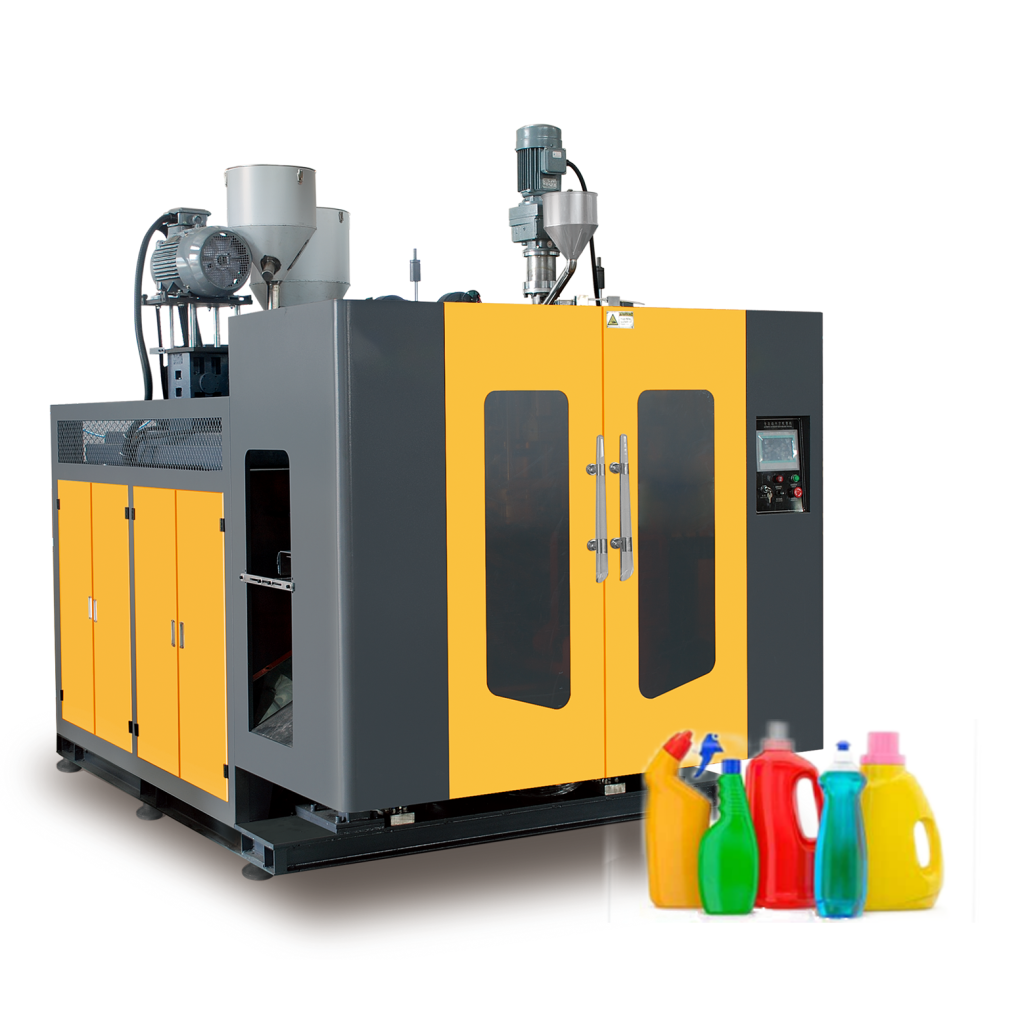
Introduction to ISBM and PCR PET
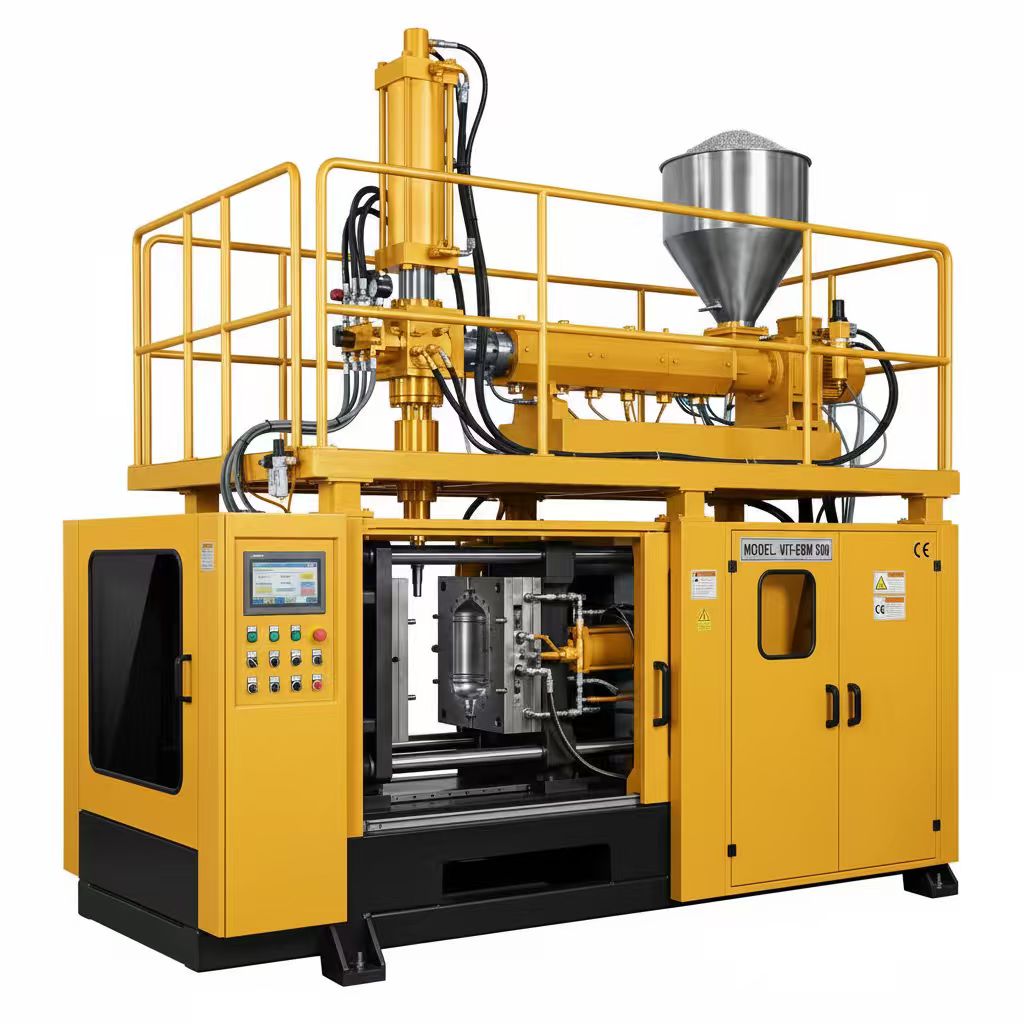
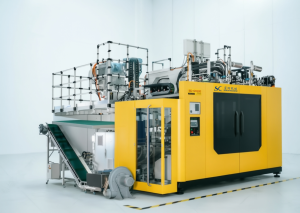
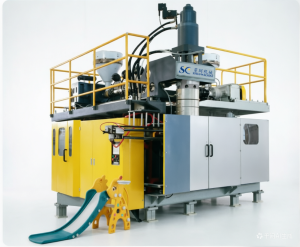
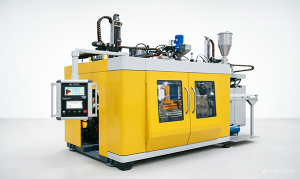
The packaging industry is undergoing a significant transformation as sustainability becomes a top priority. At the center of this shift is the integration of Post-Consumer Recycled Polyethylene Terephthalate (PCR PET) into packaging solutions. Injection Stretch Blow Molding (ISBM) technology has emerged as a crucial process for manufacturing high-quality PET containers. As a leading Blowing Machine Manufacturer, Maiwei is at the forefront of addressing the unique processing challenges associated with ISBM for PCR PET.
This article explores the technical and operational hurdles in processing PCR PET using ISBM, and how Maiwei’s innovations are helping manufacturers achieve both efficiency and sustainability.
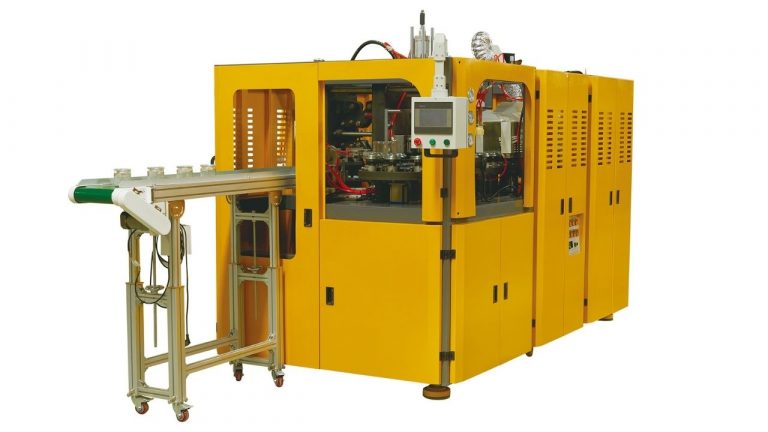
stretch blow moulding
pet blow machine
pet bottle making machine
pet bottle machine
pet blowing machine
pet bottle blowing machine
Understanding ISBM Technology
Injection Stretch Blow Molding (ISBM) is a two-stage process used to produce PET bottles and containers with excellent clarity, strength, and barrier properties. The process involves:
- Injection molding a preform
- Conditioning the preform
- Stretching and blowing the preform into a mold to form the final container
ISBM offers precise control over container geometry and wall thickness, making it the preferred choice for high-performance packaging, especially in food and beverage, cosmetics, and pharmaceuticals.
What is PCR PET?
PCR PET refers to PET resin that has been recycled from post-consumer sources, such as used beverage bottles. Its adoption in packaging reduces reliance on virgin plastics and supports circular economy initiatives. However, PCR PET presents unique processing challenges, especially when using ISBM technology.
Processing Challenges of PCR PET in ISBM
1. Material Variability
One of the primary challenges in using PCR PET is the variability in material properties. Unlike virgin PET, PCR PET can contain contaminants, color variations, and inconsistent intrinsic viscosity (IV). These factors can affect melt flow, preform clarity, and ultimately, the mechanical performance of the final container.
2. Contamination and Impurities
PCR PET often contains trace amounts of non-PET plastics, labels, adhesives, and other contaminants. During ISBM processing, these impurities can cause black spots, gels, and other defects in the container walls, leading to increased rejection rates and reduced product quality.
3. Degradation and Thermal Instability
Repeated heating and processing of PET during recycling can degrade its molecular structure, leading to lower IV and reduced thermal stability. This can result in yellowing, brittleness, and poor processability during the ISBM cycle.
4. Color Consistency
Maintaining consistent color is a significant challenge with PCR PET. The presence of colored PET flakes or residual dyes can lead to off-shade or cloudy containers, which may not meet brand or regulatory requirements.
5. Mechanical Property Variation
PCR PET can exhibit variations in tensile strength, impact resistance, and elongation. These inconsistencies can impact the performance of the final product, especially for containers that require high drop resistance or barrier properties.
Maiwei’s Solutions for ISBM with PCR PET
As a renowned Blowing Machine Manufacturer, Maiwei has developed advanced technologies and process optimizations to address the above challenges and enable high-quality production with PCR PET.
Advanced Filtration and Decontamination
Maiwei integrates state-of-the-art filtration systems in its ISBM lines to remove fine contaminants and gels from PCR PET melts. Additionally, decontamination modules ensure that harmful substances and odors are eliminated before the preform stage, resulting in cleaner, safer packaging.
Process Parameter Optimization
Maiwei’s ISBM machines feature intelligent process control systems that automatically adjust temperature, injection speed, and blow pressure based on the specific properties of each PCR PET batch. This real-time adjustment ensures consistent preform quality and minimizes defects.
Enhanced Preform Design
Through advanced simulation and mold design, Maiwei optimizes preform geometry to accommodate the lower IV and higher variability of PCR PET. This ensures uniform stretching and wall thickness during blowing, leading to stronger and more reliable containers.
Color Correction and Additives
Maiwei offers integrated dosing systems for color masterbatches and optical brighteners, which help mask color inconsistencies in PCR PET. These systems allow for precise adjustments, ensuring that the final containers meet aesthetic and branding requirements.
Quality Monitoring and Feedback
Maiwei equips its ISBM machines with vision inspection systems that detect surface defects, color deviations, and dimensional inaccuracies in real-time. This enables immediate corrective action, reducing waste and improving overall yield.
Case Study: PCR PET Bottles for Beverage Industry
A major beverage manufacturer partnered with Maiwei to transition to 100% PCR PET bottles. The initial challenges included high rejection rates due to black spots and inconsistent bottle clarity. By leveraging Maiwei’s advanced filtration, process control, and color correction solutions, the manufacturer achieved:
- Over 95% first-pass yield
- Consistent clarity and color across batches
- Compliance with food safety regulations
- Significant reduction in production downtime
This success story demonstrates the effectiveness of Maiwei’s ISBM solutions in overcoming PCR PET processing challenges.
Industry Trends: Circular Economy and Lightweighting
The demand for PCR PET is driven by both regulatory pressures and consumer preference for sustainable packaging. In addition to recycling, trends like lightweighting—reducing the amount of plastic per container—are gaining momentum. Maiwei’s ISBM machines are designed to produce lightweight bottles with PCR PET, maintaining strength while minimizing environmental impact.
Keyword Integration: Circular Economy & Lightweighting
The adoption of PCR PET in ISBM is a key enabler of the circular economy, as it keeps plastic resources in use and reduces landfill waste. Meanwhile, lightweighting initiatives are helping brands lower carbon footprints and shipping costs. Maiwei’s technology supports both these sustainability goals by delivering reliable, efficient, and flexible ISBM solutions.
Conclusion: The Future of ISBM with PCR PET
As the packaging industry continues to move toward sustainability, the integration of PCR PET into ISBM processes will become increasingly important. While challenges such as material variability, contamination, and color consistency exist, innovative solutions from manufacturers like Maiwei are paving the way for reliable, high-quality production.
By investing in advanced filtration, intelligent process controls, and real-time quality monitoring, Maiwei ensures that its customers can confidently adopt PCR PET in their packaging lines. The future of ISBM is not only sustainable but also efficient and adaptable, thanks to ongoing advancements from leading blowing machine manufacturers.
For businesses looking to enhance their sustainability profile and meet evolving market demands, partnering with Maiwei for ISBM solutions with PCR PET is a strategic move toward a greener, more circular future.